The Guardian Readers: Humanity Sacrifices Clean Water for Chat Therapy and Fanfics
The Guardian readers are skeptical: is AI worth the resources it consumes? A 2026 Harvard Business Review study revealed AI's top four applications: therapy and companionship, technical support, entertainment, and fanfics. Educators report declining critical thinking among schoolchildren, while AI doesn't cure loneliness—it only masks it. Environmental activist Erin Brockovich raises the alarm: data centers consume water and electricity—for this?
AI-processed from Guardian; edited by Hamidun News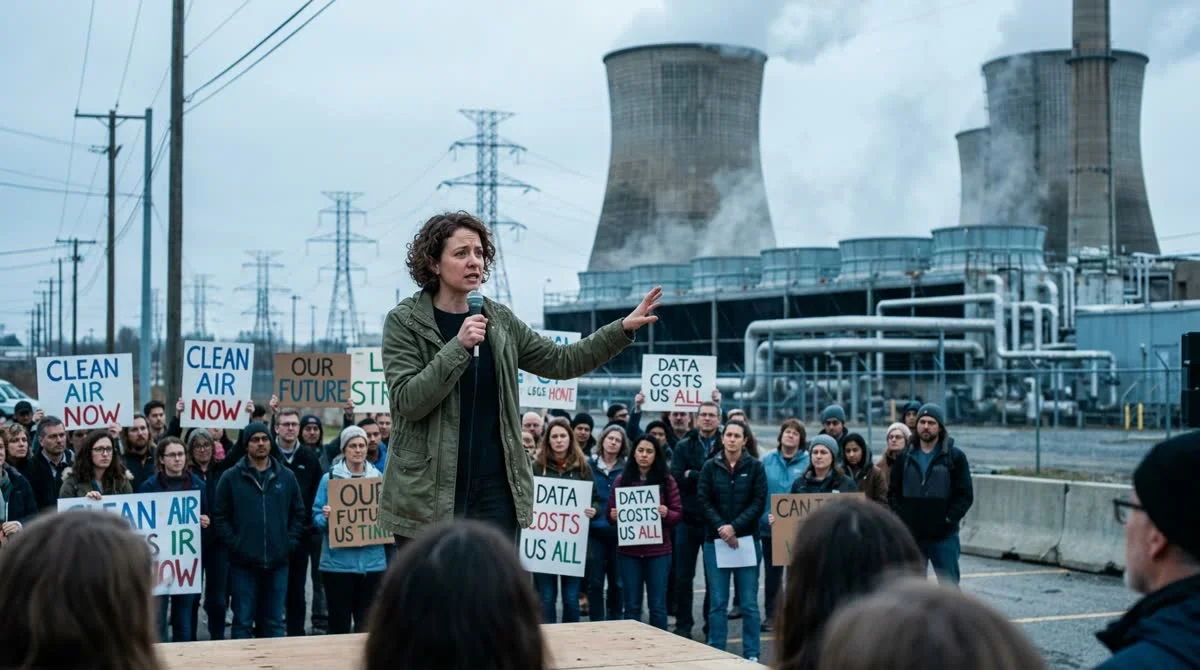
On July 1, 2026, The Guardian published reader letters responding to a report on Erin Brockovich's campaign against AI data centers. Authors of the letters questioned whether the real benefits of AI justify the colossal consumption of water and electricity.
How people actually use AI in 2026
A 2026 Harvard Business Review study documented the four most popular scenarios for using language models. The result proved unexpected for those who envision AI as a savior of medicine and science:
- Therapy and companionship — conversations for emotional support or combating loneliness
- Technical assistance — debugging code, instructions, solving household questions
- Entertainment and chitchat — jokes, wordplay, random conversations without specific purpose
- Fanfiction and storytelling — amateur stories, role-playing games, creative writing
Most queries to AI are about emotional needs and entertainment rather than scientific breakthroughs or productivity gains.
Does AI help with loneliness?
One of the most common scenarios is chatbots as "digital friends" for people in social isolation. The idea seems humane: AI is always ready to listen and support at any time of day.
However, data suggests the opposite: this format doesn't reduce loneliness but rather masks it. The user receives an imitation of communication but doesn't develop actual social skills.
"AI provides confirmation at the cost of atrophying skills necessary
for interaction with real people".
British educators observe a similar trend: teachers report that students who regularly use AI for studying perform worse at independent analysis and argumentation. Critical thinking is gradually delegated to the machine.
What do data centers pay for?
The context for this discussion is The Guardian's June 29, 2026 report on Erin Brockovich's campaign against major AI data centers. The activist, famous in the 1990s for fighting industrial water pollution in California, now opposes a new type of ecosystem burden: data centers consume billions of liters of water to cool servers and impose additional strain on local power grids.
Readers pose an uncomfortable question: if most people use AI for writing fanfiction and combating loneliness — is the ecological cost justified? "We can live without AI," letter authors write, "but can we live without clean water?"
What this means
The discussion about AI data centers is shifting from technical to ethical terrain. Society is beginning to demand an answer to a simple question: what is AI's real benefit and is it proportional to its ecological costs? Until the industry can convincingly show that benefits exceed resource consumption, pressure from activists and citizens will intensify.
Want to stop reading about AI and start using it?
AI News is a curated feed of AI/tech news. Hamidun Academy teaches you to use AI systematically in your work.
The AI world, distilled — once a week
Seven stories that actually mattered, hand-picked. No noise, no reposts, no press releases.
Done! Check your inbox for a confirmation.