YouTube Shorts launched AI avatars: clone yourself for short videos
YouTube Shorts has launched AI avatars — creators can clone their appearance and voice to insert a digital copy into existing videos or generate new ones without using a camera. The avatar is created once and then reused. Videos featuring an AI version of the creator will be labeled as generated.
AI-processed from The Verge; edited by Hamidun News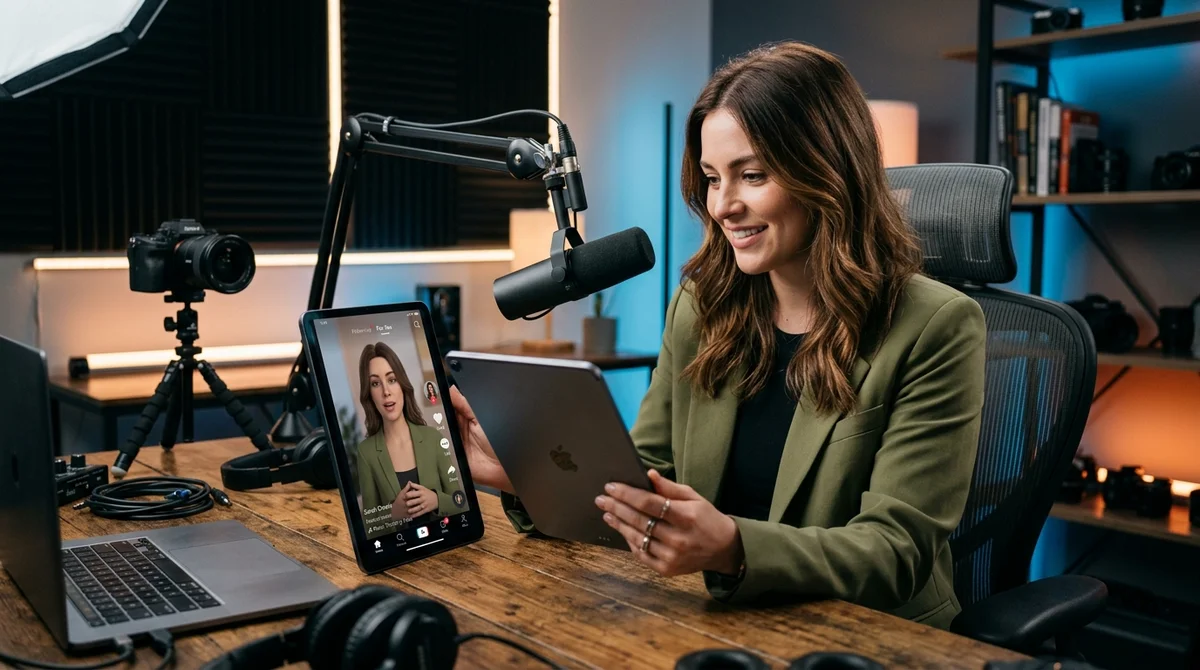
YouTube Shorts is beginning to roll out a new artificial intelligence-based feature that allows video creators to create a realistic digital clone of themselves — a so-called avatar — and use it in short videos, reports The Verge.
What the new AI avatar can do
An avatar is a digital version of the user, which YouTube describes as a way to look and sound exactly like a real person in front of the camera. The company suggests two usage scenarios: inserting a ready-made avatar into an already recorded Shorts video or immediately generating a completely new video with its help.
- An avatar can be inserted into existing Shorts or used to create new videos from scratch
- YouTube claims that the avatar will "look and sound like you"
- The company presents the feature as a safer and more secure way to apply AI, rather than as a way to bypass rules
- Earlier this year, YouTube hinted at the launch of a similar feature, notes The Verge
- Avatar creation, re-recording, and deletion settings are available through the YouTube Help Center
"Avatars will look and sound like you" — from the official feature description published by
YouTube.
Why the platform is taking a risk by releasing such a feature
YouTube is simultaneously expanding generative AI tools and trying to contain the flow of low-quality AI content on the platform — the so-called AI spam, as well as deepfake fraud and impersonation of other people, notes The Verge. The publication describes this as a "complicated" relationship the platform has with AI-generated content: on one hand, the company is adding new generative features for creators, on the other hand, it regularly encounters misuse of these same technologies by other users.
This is precisely why YouTube emphasizes the phrasing "a safer and more secure way" to use AI for one's own image, rather than simply allowing the creation of any deepfakes without restrictions. An avatar is tied to the identity of a specific content creator and is managed through their own account in the YouTube Create app, rather than through third-party tools, which the platform has already tried to restrict from other authors.
The problem of impersonation for YouTube is not abstract: The Verge directly links the launch of official avatars with the platform's broader struggle against deepfake fraud and impersonation of famous people. By making the cloning tool built-in and controlled by the platform itself, YouTube attempts to seize the initiative from third-party services that have already been used to create fake videos without the person's consent.
How the avatar changes the work of Shorts creators
For creators of short videos, the feature eliminates the need to record themselves on camera every time for a new video: a once-configured avatar can be used to generate multiple videos at once. YouTube frames this as an expansion of creative opportunities, rather than a replacement for live filming — creators themselves decide when to use the digital copy and when to record a regular video.
What this means
The launch of AI avatars shows where large video platforms are headed: a generative clone of yourself becomes a standard content creation tool, not a niche technology for enthusiasts. At the same time, YouTube acknowledges that the wider it opens access to such tools, the more acute becomes the question of distinguishing between an author's official avatar and a fraudulent deepfake — and the company will have to solve this problem in parallel with the growth of the feature's popularity.
Want to stop reading about AI and start using it?
AI News is a curated feed of AI/tech news. Hamidun Academy teaches you to use AI systematically in your work.
The AI world, distilled — once a week
Seven stories that actually mattered, hand-picked. No noise, no reposts, no press releases.
Done! Check your inbox for a confirmation.