IEEE Spectrum AI
AI news source. Articles are auto-selected and adapted by Hamidun News editors.
Latest publications

Emily Bender Explains What 'Stochastic Parrots' Really Means, Five Years Later
Author of the term 'Stochastic Parrots,' Professor Emily Bender clarified the main misconceptions about it five years after the landmark paper's publication.

RxScanner on Small AI: Offline neural network catches counterfeit drugs in Africa
After a failed demonstration in Cape Town, the Nigerian startup RxAll compressed the AI model RxScanner into an offline version for smartphones in 2 hours — this is how Small AI trend was born.

Prometheus: Majestic Labs server with 128 TB of memory for AI
Startup Majestic Labs is developing a Prometheus server with memory volume 60 times larger than NVIDIA's DGX B300.

Large Tabular Models NEXUS from Fundamental: LLMs Surrender to Tables
Fundamental startup launched NEXUS, the first LTM (Large Tabular Model) for working with tables. LLMs have long learned to generate text, but tables remain a blind spot.
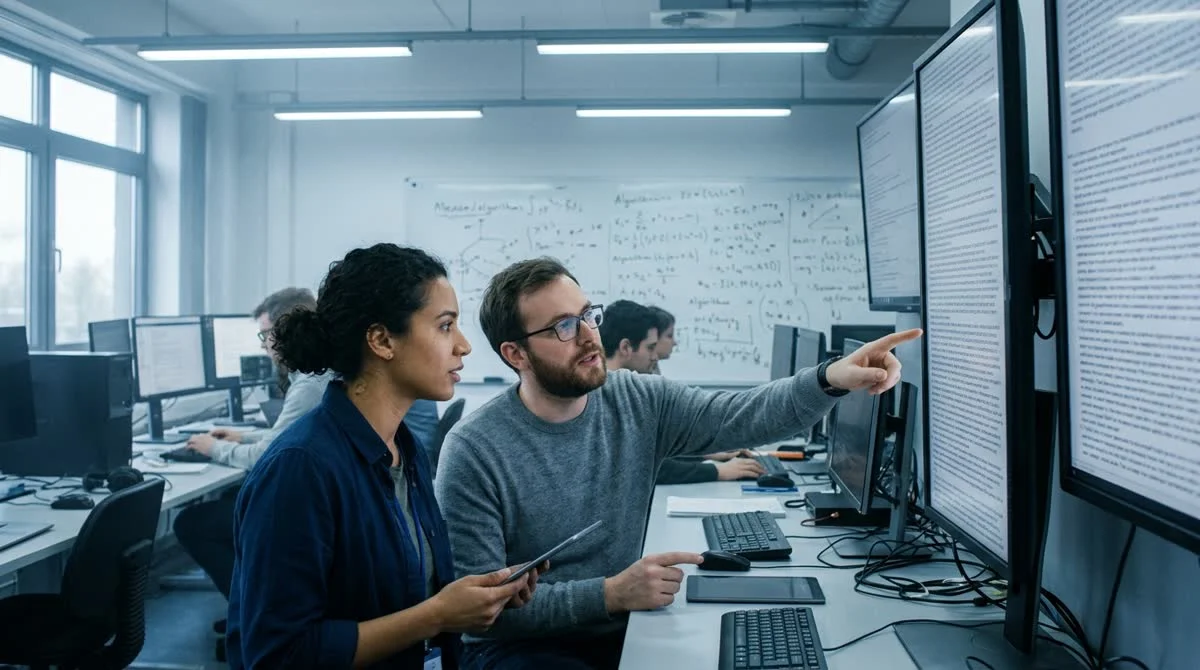
Alibaba researchers discover a DoS vulnerability in reasoning AI models
Scientists from Zhejiang University and Alibaba showed at ICML 2026 that logically contradictory prompts send GPT-o3, DeepSeek-R1, and Gemini 2.5 Flash into useless loops, inflating responses 26-fold.
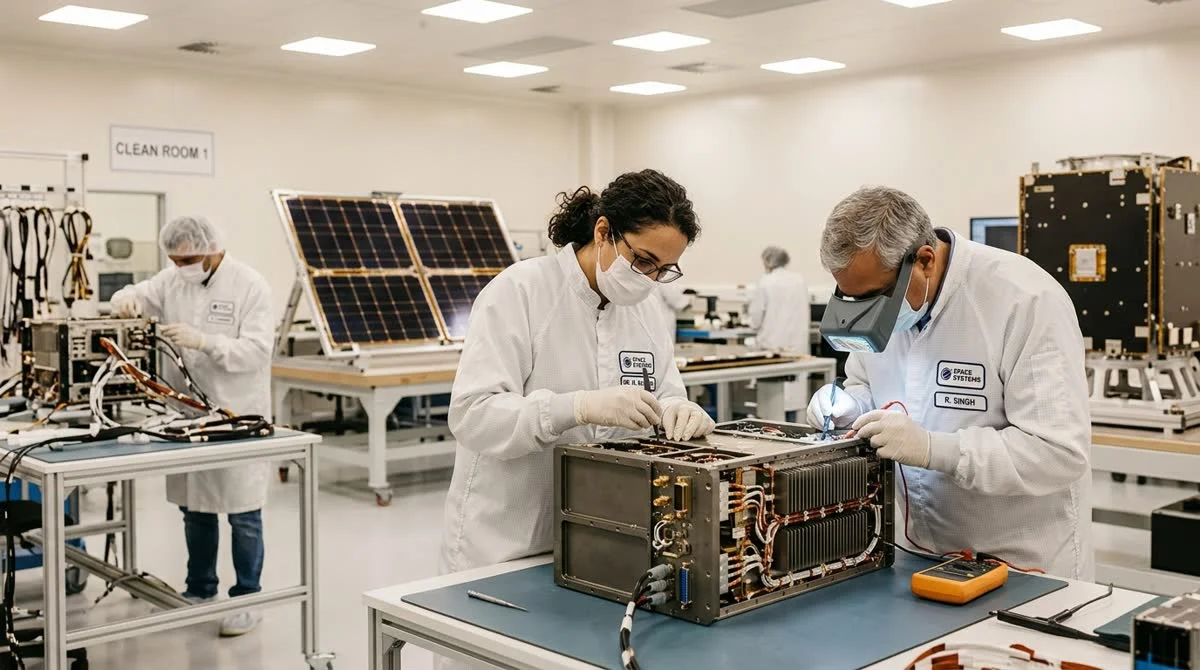
SpaceX Wants 1 Million Orbital Data Centers — Why the Math Doesn't Add Up
Musk promises orbital data centers cheaper than ground-based ones within two to three years. IEEE Spectrum experts explain why this would require 16,666 Starship launches and 25 years of manufacturing.
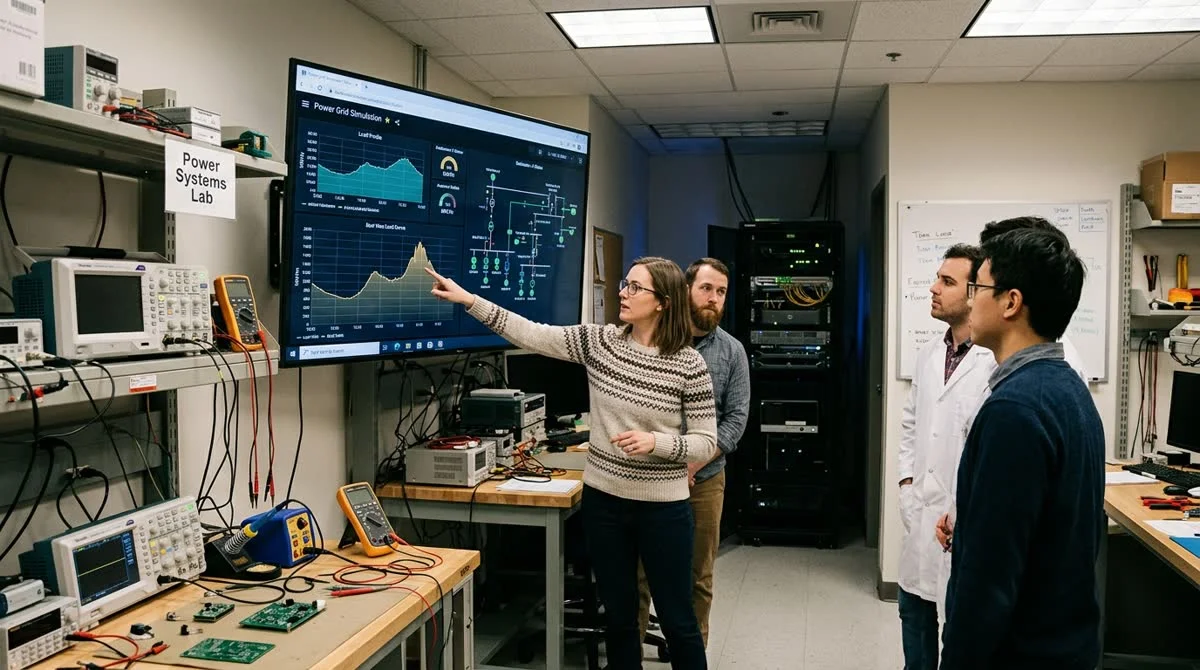
Data centers to consume 11% of Australia's electricity by 2035: Melbourne seeks solution
Growing AI workloads turn data center power supply into a systemic problem: by 2035, they will account for up to 11% of Australia's electricity consumption.

AI data centers are changing the nature of power grid loads and creating new risks for operators
AI data centers create sharp, unpredictable load spikes that traditional power infrastructure was not designed to handle — and the problem is not only the volume of consumption.
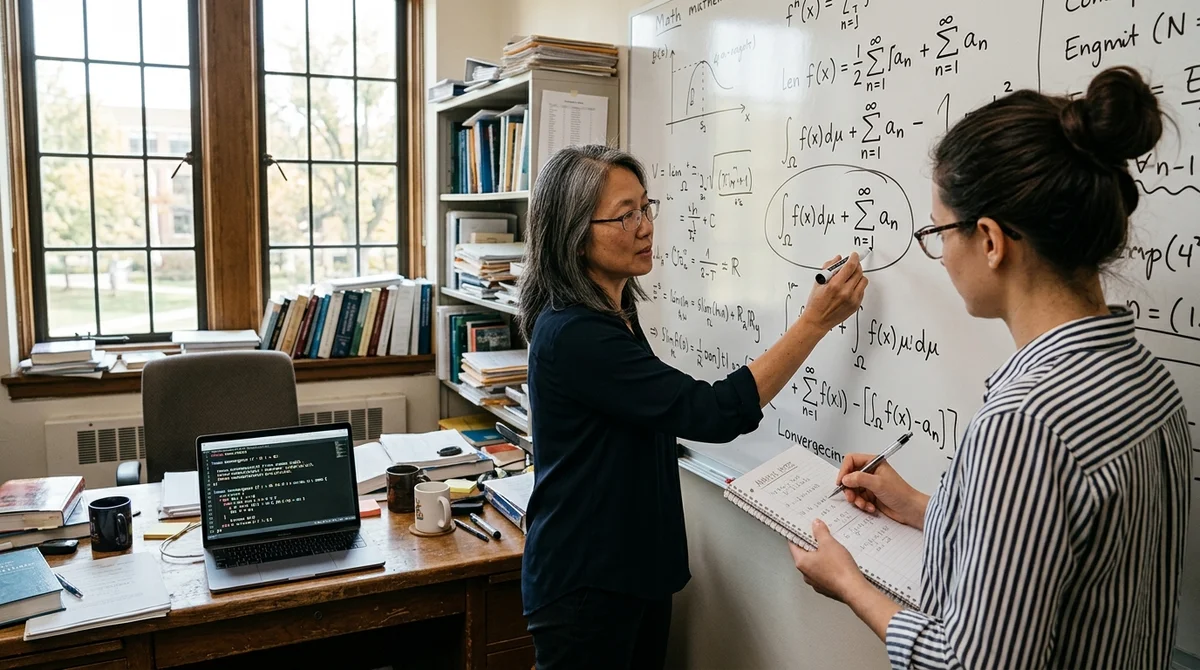
When AI proves theorems: what will be left for mathematicians of their profession
Google DeepMind and OpenAI systems are winning gold at math Olympiads and publishing PhD-level results — mathematicians are searching for an answer to what will be left for humans.
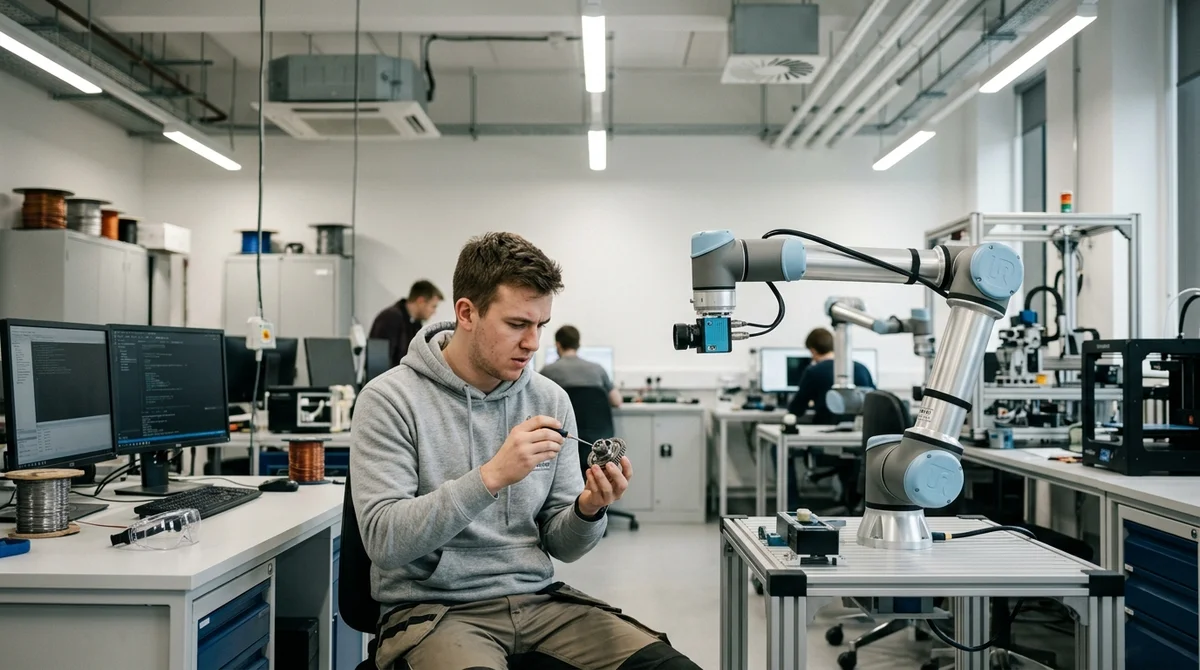
VLM trained robots to read human emotions — but trust matters more than politeness
Scientists from Melbourne taught a robot to read emotions from scene context, not just facial expressions — and found that politeness does not restore compromised trust.
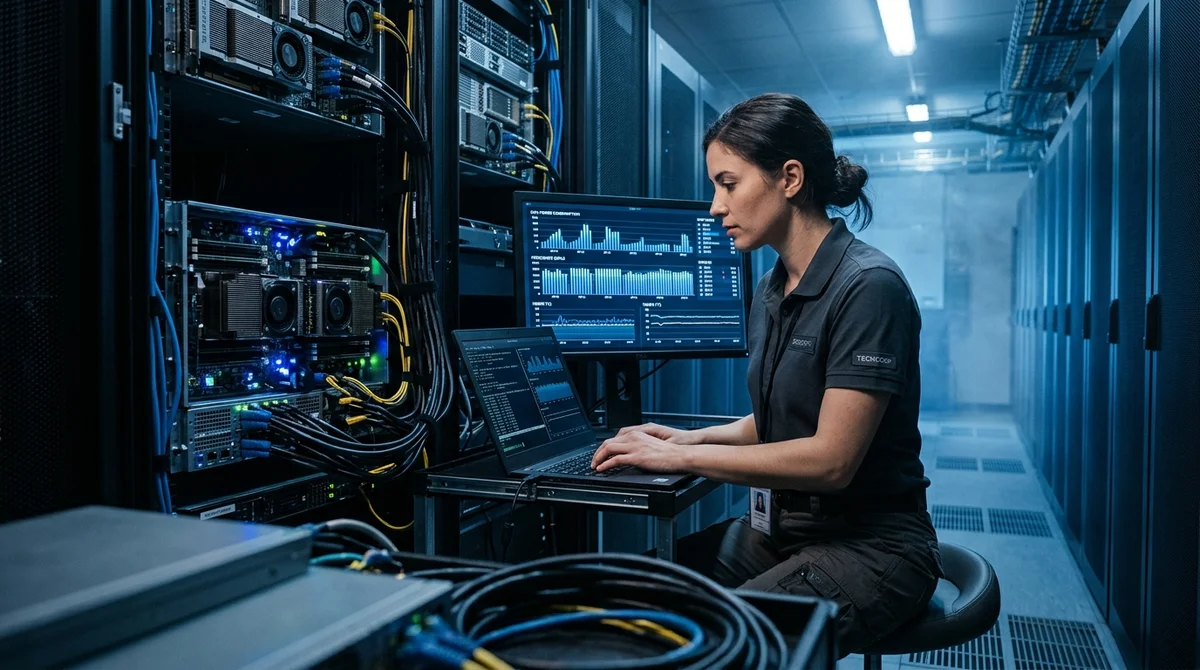
University of Twente Reduces Energy Consumption of LLM Training by 14%
Researchers from the Netherlands found a way to save 14% of energy when training large language models without losing speed. The method is based on dynamic GPU frequency adjustment.

Isomorphic Labs trains AI to find hidden drug pockets on proteins
Artificial intelligence has promised to accelerate drug development for over a decade. But despite billions in investment, only a handful of AI-developed drugs reach patients.
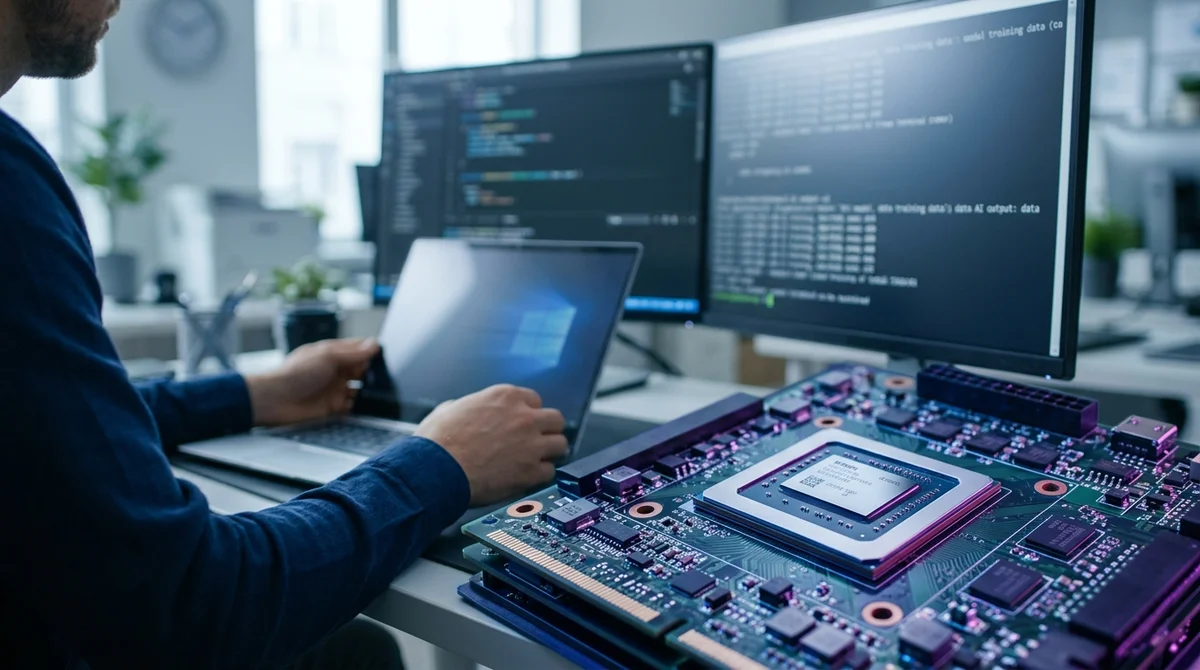
RTX Spark: Nvidia Unveiled Blackwell Chip for Windows PCs Instead of Qualcomm
Nvidia unveiled RTX Spark, a Blackwell chip variant for Windows PCs. This Arm-based platform will have Microsoft and manufacturer support, but must overcome Windows on Arm challenges.
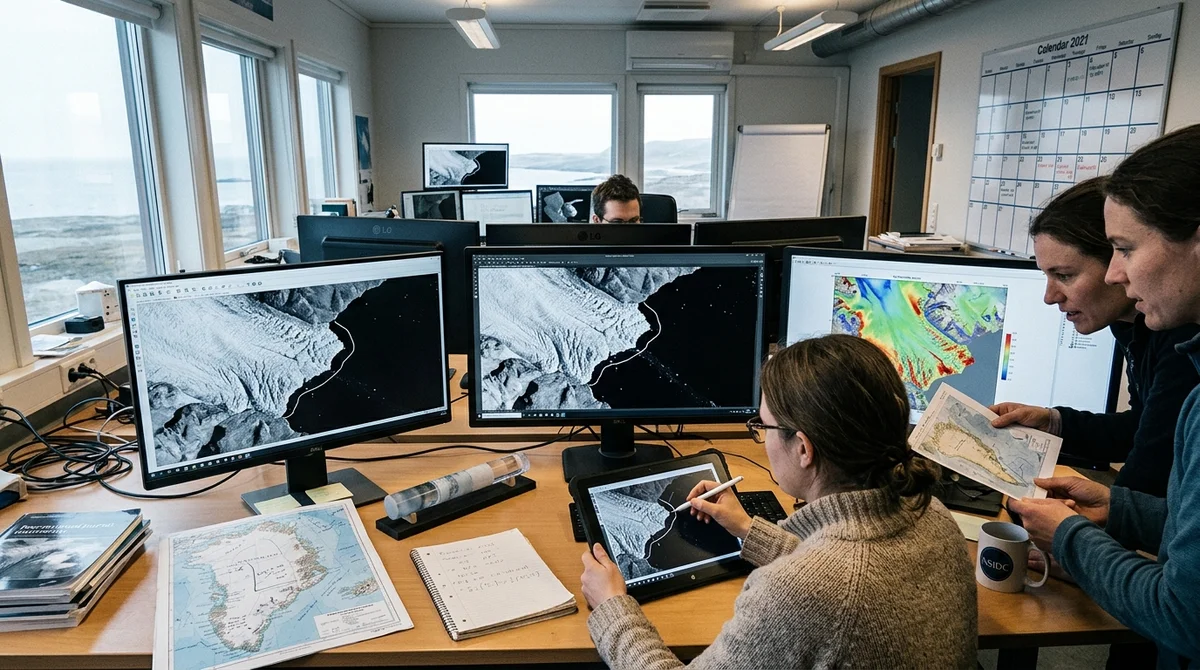
German scientists trained AI to track glaciers with meter-level precision
Researchers from FAU University showed that a neural network can analyze satellite images and track glacier edges with an error of less than 70 meters, requiring minimal labeled data.
Why South Africa, Controlling 88% of Platinum, Loses Leverage in AI Negotiations
South Africa holds a strategic resource for global AI infrastructure, but its draft policy does not leverage this advantage against American and Chinese giants.
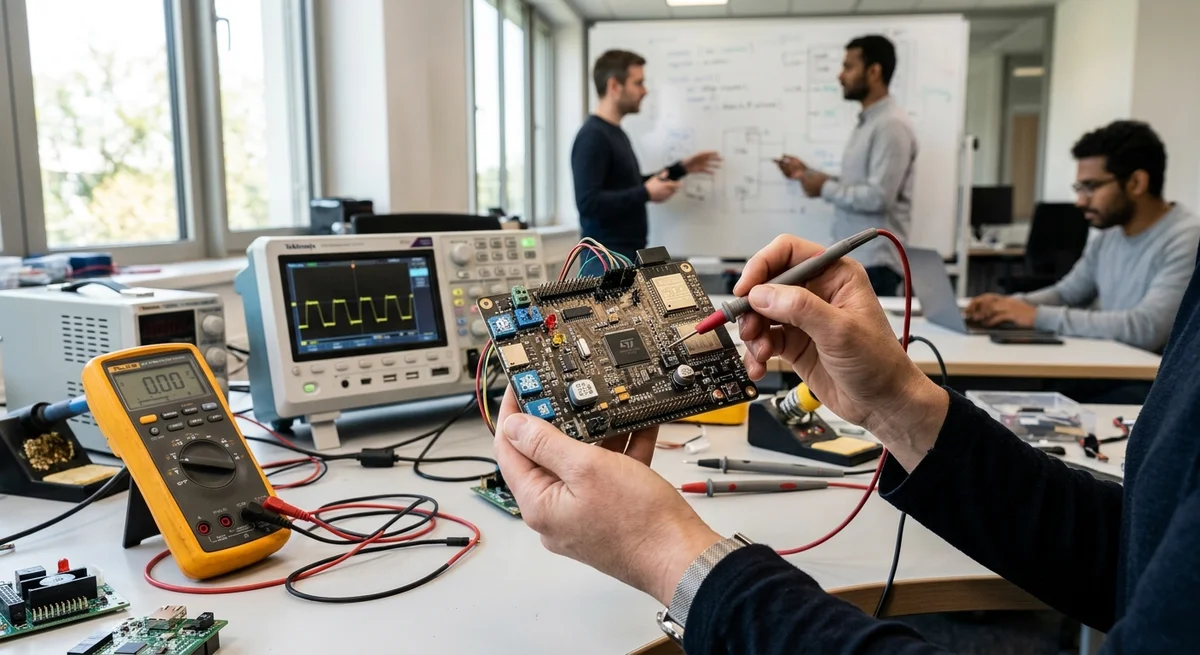
MathWorks Demonstrated a Complete Development Cycle for AI Sensors in Embedded Systems
MathWorks presented a webinar on the workflow for designing, training, verifying, and deploying AI models of virtual sensors on microcontrollers and embedded processors.
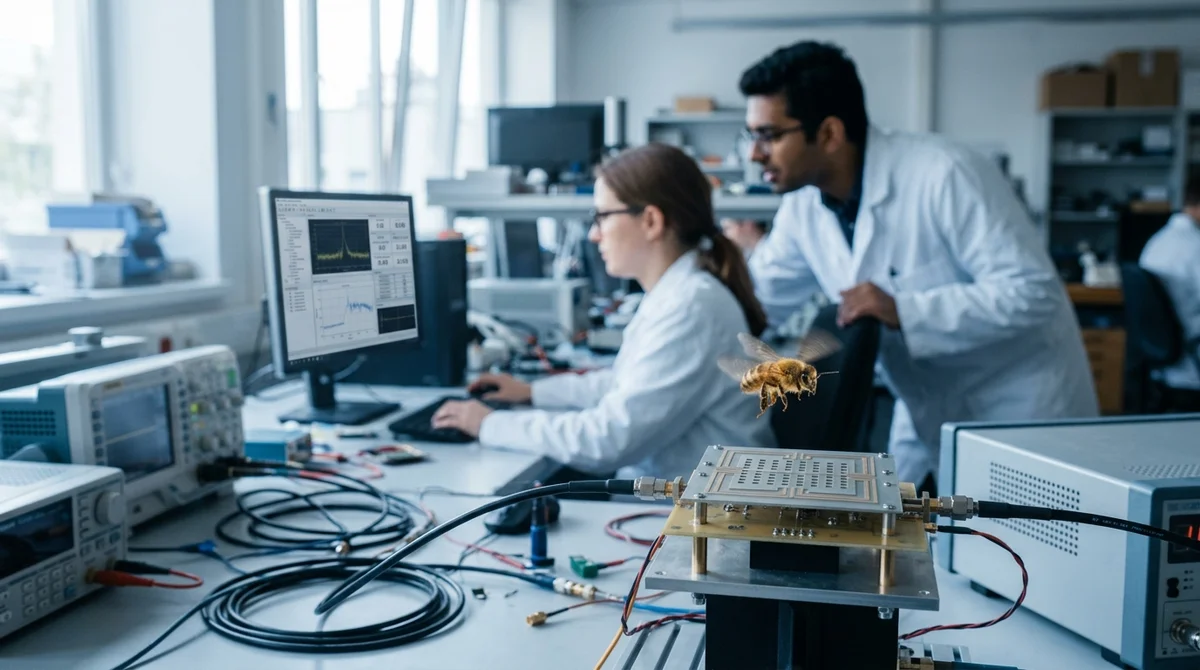
Danish Scientists Created a Radar for Identifying Bee and Wasp Species
Researchers from Denmark's Technical University developed a millimeter-wave radar system that distinguishes pollinator insect species by the micro-Doppler signatures of their wings with 85% accuracy.
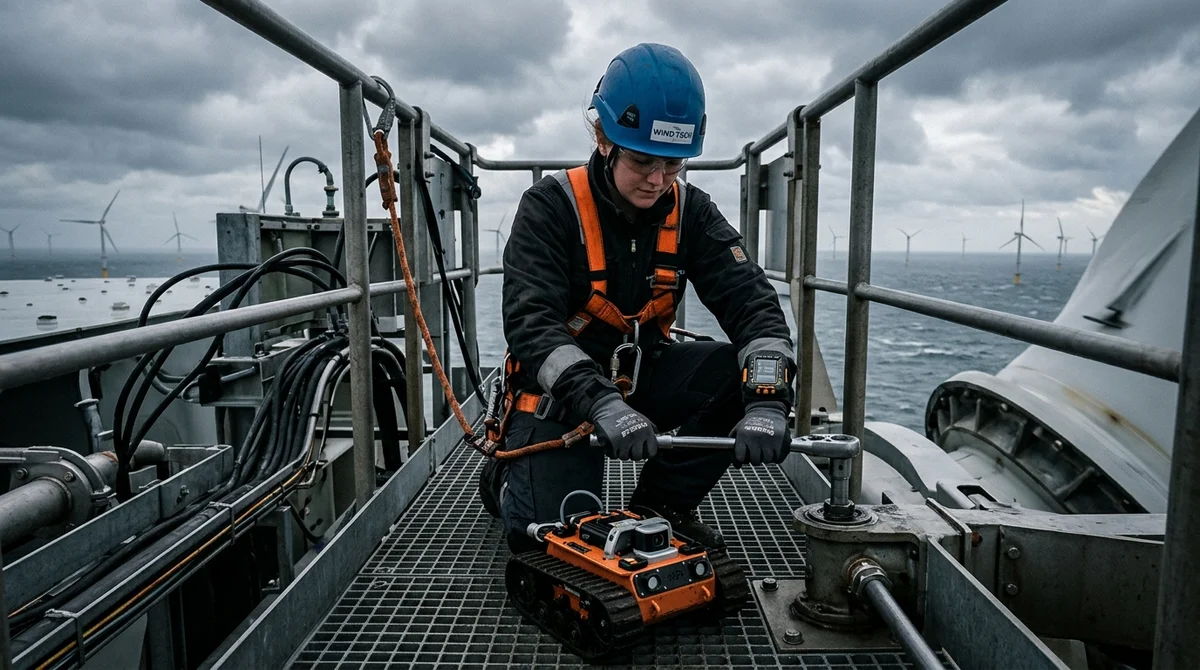
Hand Instead of Screen: How Wetour Robotics Reinvented Interfaces
Wetour Robotics has presented a new approach to robot control: the system reads body position, gaze direction, and hand gestures, allowing humans to work with machines without screens or voice commands.
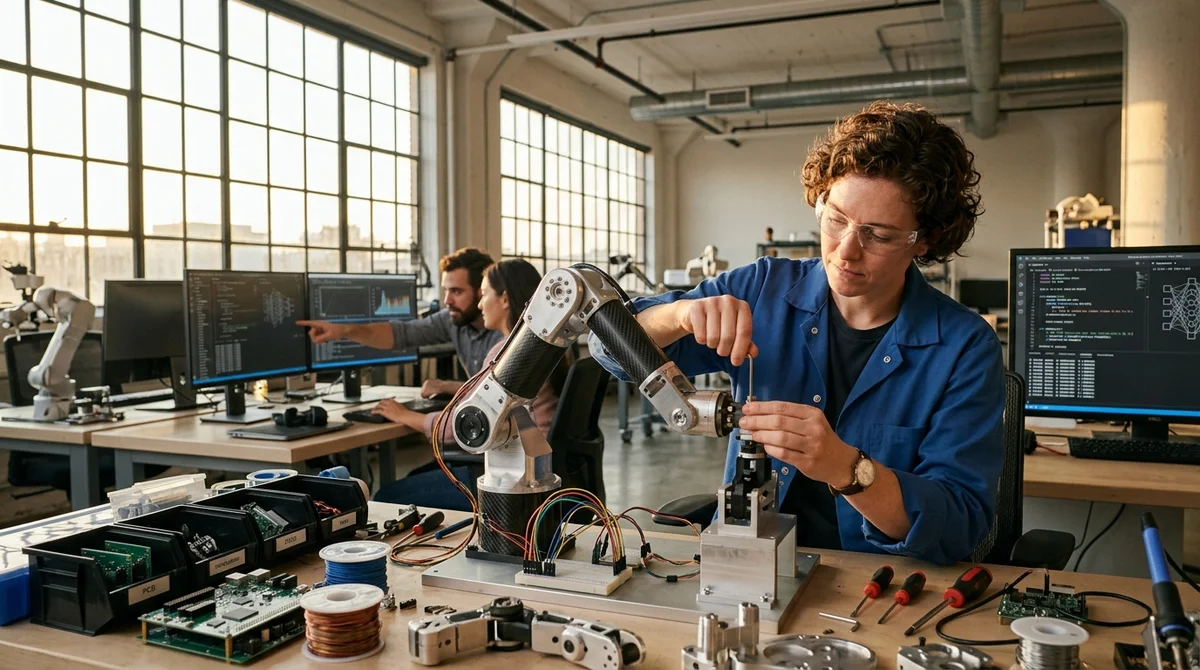
Hugging Face and NVIDIA Open Source Code for Robot Thinking
Open source code, which accelerated AI development, is now moving into robotics. Hugging Face, NVIDIA, and Alibaba have released tools for training robots to think independently.
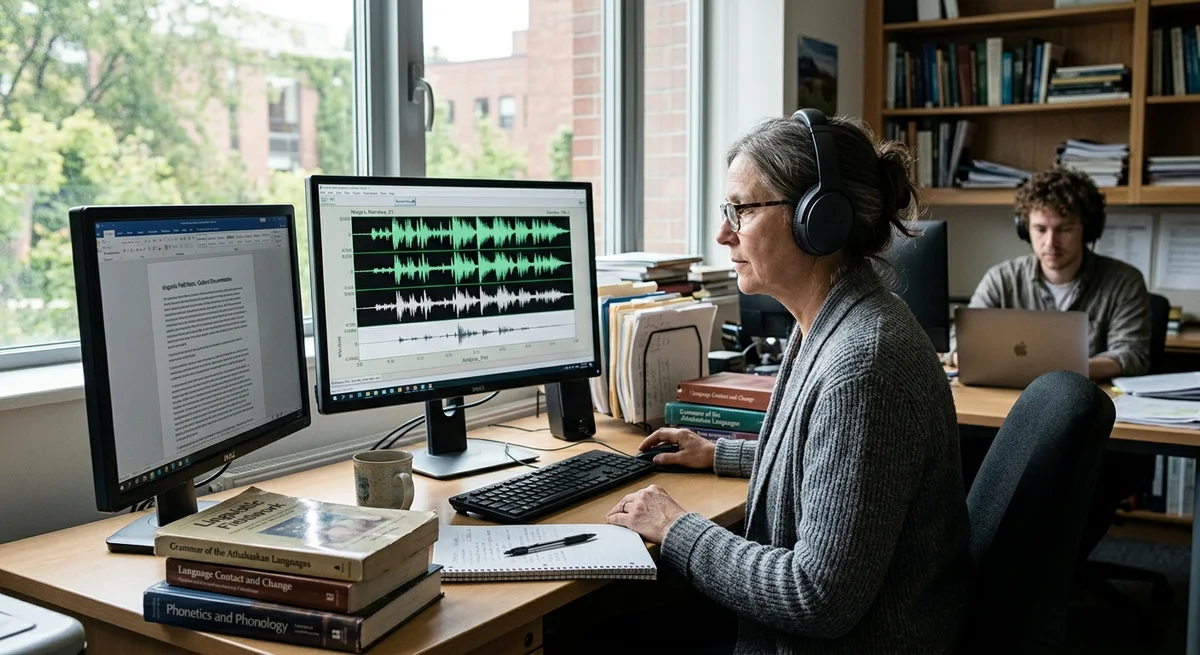
Maori developed their own speech synthesizer and protected it from Big Tech scraping
Māori communities in New Zealand have developed their own text-to-speech synthesizer that they fully control.

AudioHijack: How Hidden Sounds Force AI to Execute Malicious Commands
Voice assistants and AI systems are penetrating deeper into our lives — from smart speakers and smartphones to corporate chatbots and customer service systems.
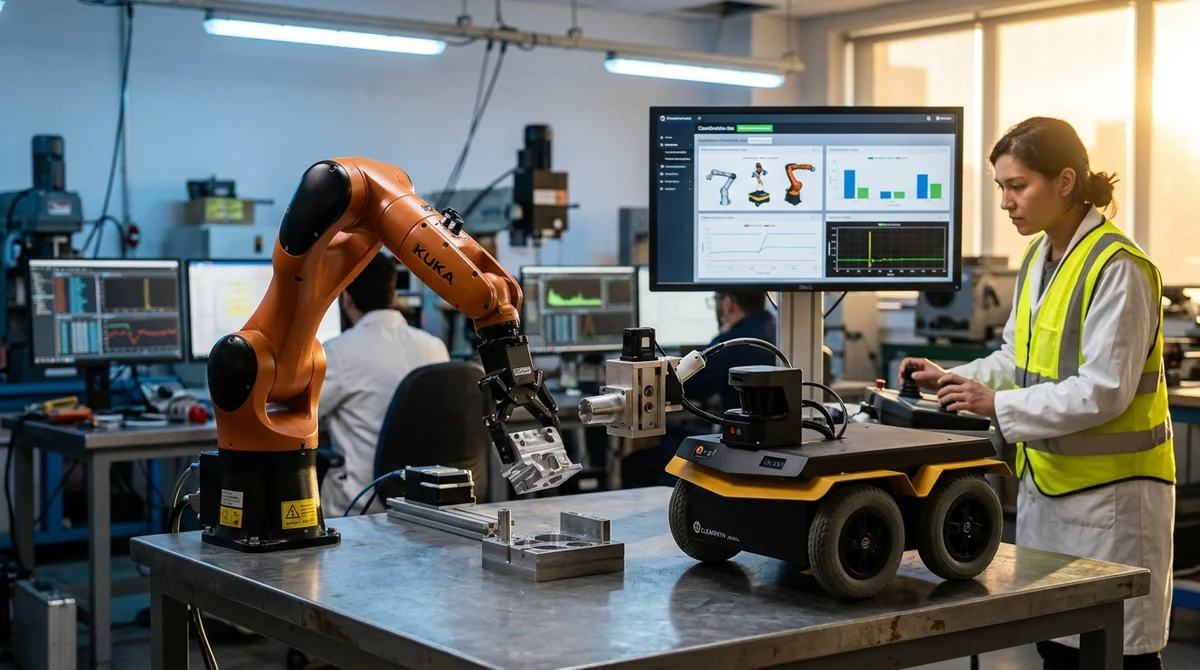
Johns Hopkins created an agentic AI system to coordinate robot teams
Johns Hopkins Applied Physics Laboratory introduced an agentic AI architecture that enables teams of heterogeneous robots to operate autonomously, coordinating and adapting to changing conditions in real time.

Melbourne becomes a center for AI research with the MAVERIC supercomputer
Melbourne is launching MAVERIC, the largest university AI supercomputer, and expanding its data center infrastructure, becoming a regional research center.
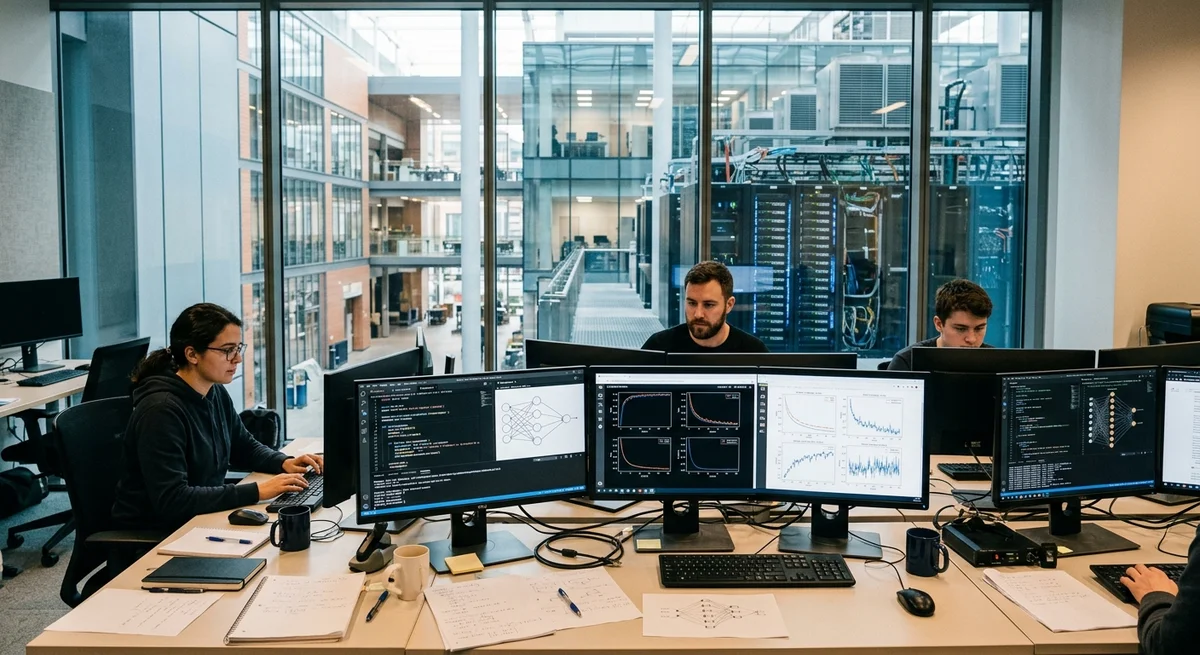
AI has learned to build itself: Google DeepMind and OpenAI on the path to self-improvement
OpenAI, Google DeepMind, and Anthropic are already using neural networks to create more advanced versions of themselves — but humans still control the process.
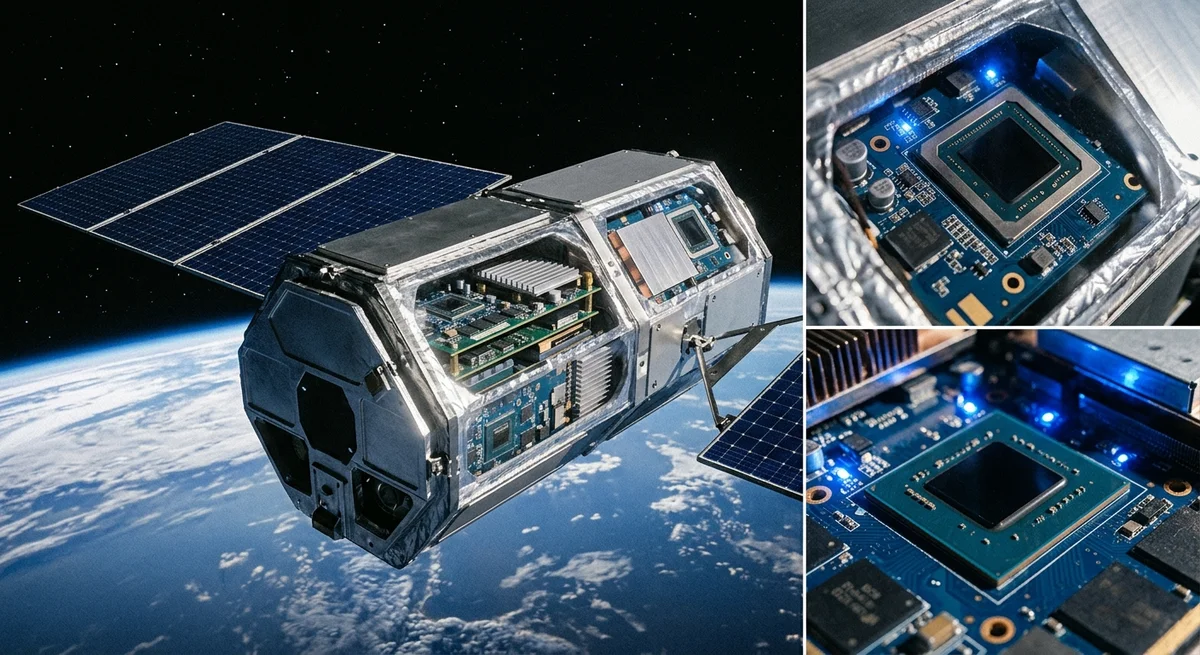
Startup Orbital plans to run AI inference from space
Orbital has received investment from A16z and plans to build a low-Earth-orbit satellite constellation to process AI inference using solar power, bypassing terrestrial energy constraints.

GPT-4 helps archivists transcribe handwritten documents 50 times faster
Researchers in Canada have shown that large language models can handle archival documents more efficiently than specialized software and at 50 times lower cost.
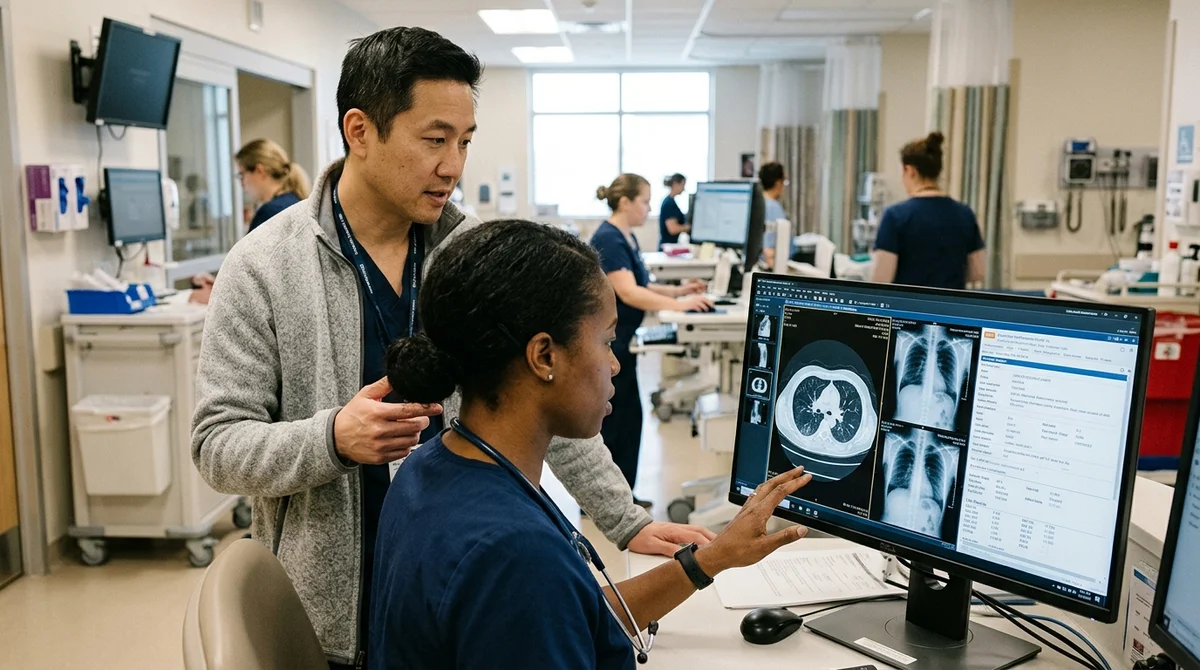
OpenAI's AI outperformed doctors in diagnosis — but scientists urge caution
A study in Science found that an OpenAI model made the correct diagnosis more often than doctors. But the authors are quick to clarify: AI does not replace doctors and is not ready to work on its own.
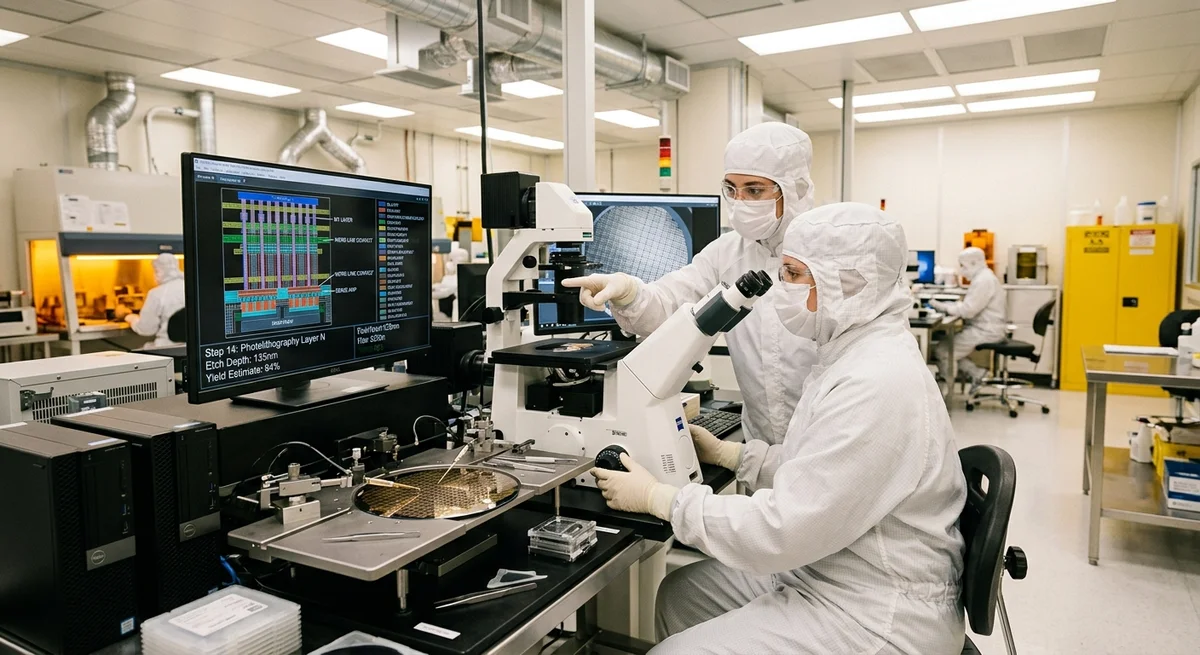
Applied Materials invests $5 billion in semiconductor R&D center for AI
Applied Materials is creating the EPIC Center, the largest semiconductor equipment R&D center in the US, in a $5 billion project. It will accelerate innovation in the production of energy-efficient chips for AI systems.

Electronic rings translate sign language into text with AI
Researchers have created electronic rings that use AI to translate sign languages into text with 88% accuracy, recognizing 200 words from both languages.
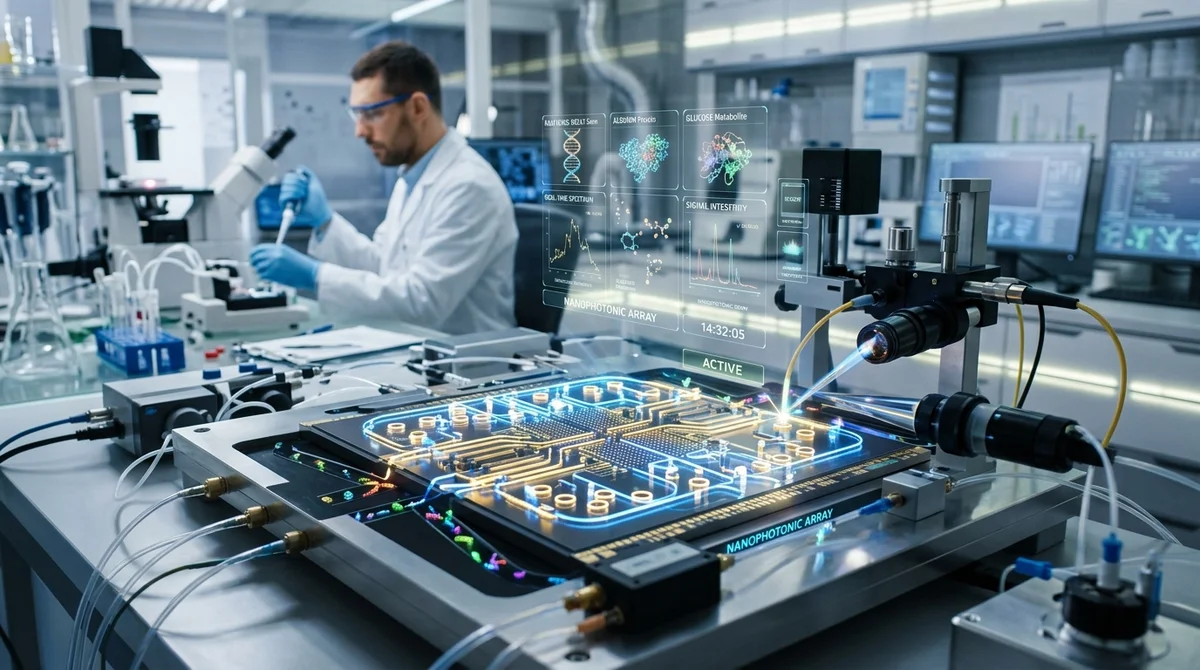
Prof. Dionne to Present VINPix — Nanophotonics and AI for Multiomics on a Chip
IEEE Spectrum invites readers to a webinar on the VINPix platform: nanophotonic chips combined with AI promise to accelerate multiomic analysis, biosensing, and cell profiling.