MIT Technology Review
AI news source. Articles are auto-selected and adapted by Hamidun News editors.
Latest publications
How Companies Lost Data Sovereignty in the Race for AI
When companies adopted generative AI, they accepted an unsafe trade-off: handing their data to third parties in exchange for results. Now the loss of control over information has become a key risk.

Financial companies realized: agentic AI requires data readiness
The success of deploying agentic AI in financial companies depends less on the complexity of the algorithms than on data being ready to operate under tight regulation and a constant stream of updates.

Musk vs. Altman in court: deception, an AI apocalypse warning, and OpenAI model distillation
Week one of the Musk v. OpenAI trial: Musk says Altman deceived him in founding the company, warns of an AI apocalypse, and acknowledges xAI's distillation of OpenAI models.
MIT Technology Review: 90% of engineering companies will increase AI investment, but without rushing
MIT Technology Review Insights found that 90% of product engineering leaders plan to increase AI investment, but prioritize verification, simulations, and quality over hype.
Microsoft and NVIDIA call physical AI the next advantage for industry
MIT Technology Review describes a new stage of automation: physical AI helps factories not just cut costs, but grow amid labor shortages and increasing production complexity.

Intel warns: agentic AI has moved beyond its "childhood" stage and requires a new control model
Agentic AI is moving from chatbots to autonomous actions, and companies now need not broad policies but process-embedded guardrails, audit, and cost control.

Goodfire releases Silico, a tool for debugging language models during training
Startup Goodfire unveiled Silico, a mechanistic interpretability system that helps look inside a language model, find failures, and change its behavior during training.

OpenAI is devoting its core resources to building a fully autonomous AI researcher
The company is restructuring its research agenda around an autonomous agent that will be able to conduct multi-day research on its own, with the first “AI intern” expected by September 2026.

Silicon Valley animal rights activists want to recruit AI researchers as allies
In San Francisco, animal rights activists and AI engineers held a joint meeting — the animal rights movement is seeking technical allies to fight poaching and the suffering of animals on farms.

Animal advocacy meets AGI: Bay Area activists bet on superintelligence
Animal advocates in Silicon Valley are joining forces with AI researchers as the White House releases its first comprehensive plan for AI development in the US.

Stanford: AI chatbots may amplify delusional ideas and dangerous scenarios in people
Stanford researchers studied 391,000 messages and found that AI chatbots often validate delusional ideas, simulate “consciousness,” and do little to stop dangerous impulses.
MIT Technology Review: Are We Ready to Grant Real Authority to AI Agents?
MIT Technology Review has released an eBook on the risks of granting real authority to AI agents—experts warn of loss of control and identify five key threats.
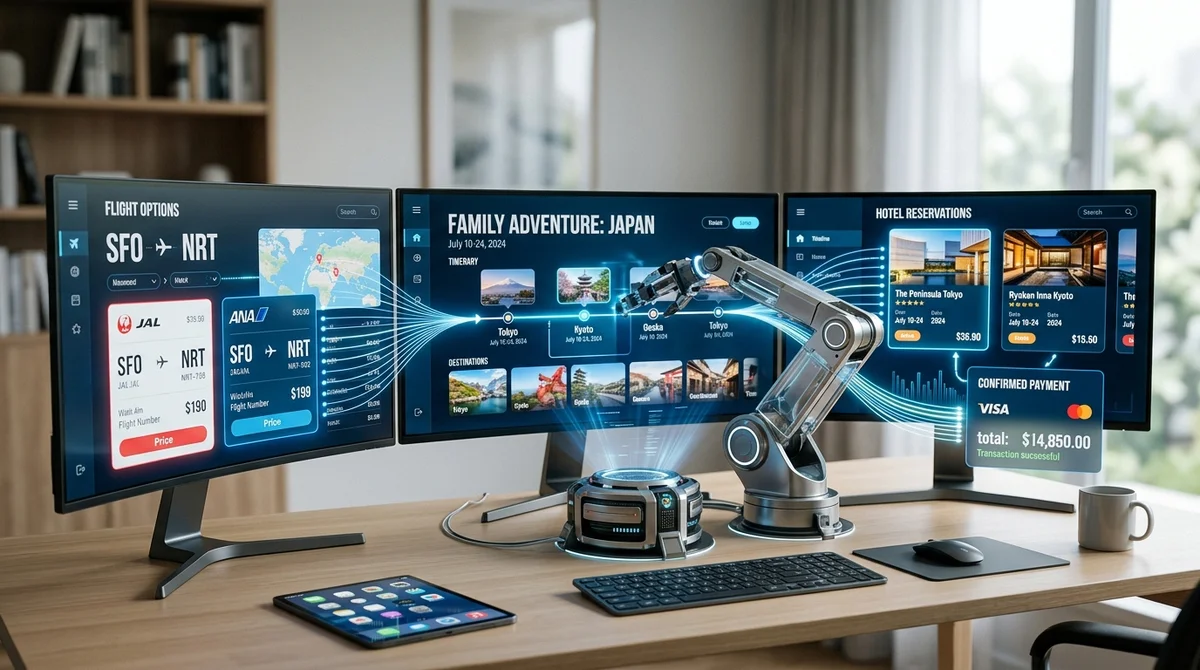
Agent Commerce per MIT Tech Review: why AI agents require data, not banners
When an AI agent books vacation and makes purchases on its own, e-commerce needs not beautiful interfaces, but precise structured data and user context.

Two skiers created the world's best snow forecast service — and outpaced government weather agencies
An independent startup by two skiers outpaces U.S. government weather agencies in snow forecast accuracy — thanks to AI models and real-world experience living on the slopes.
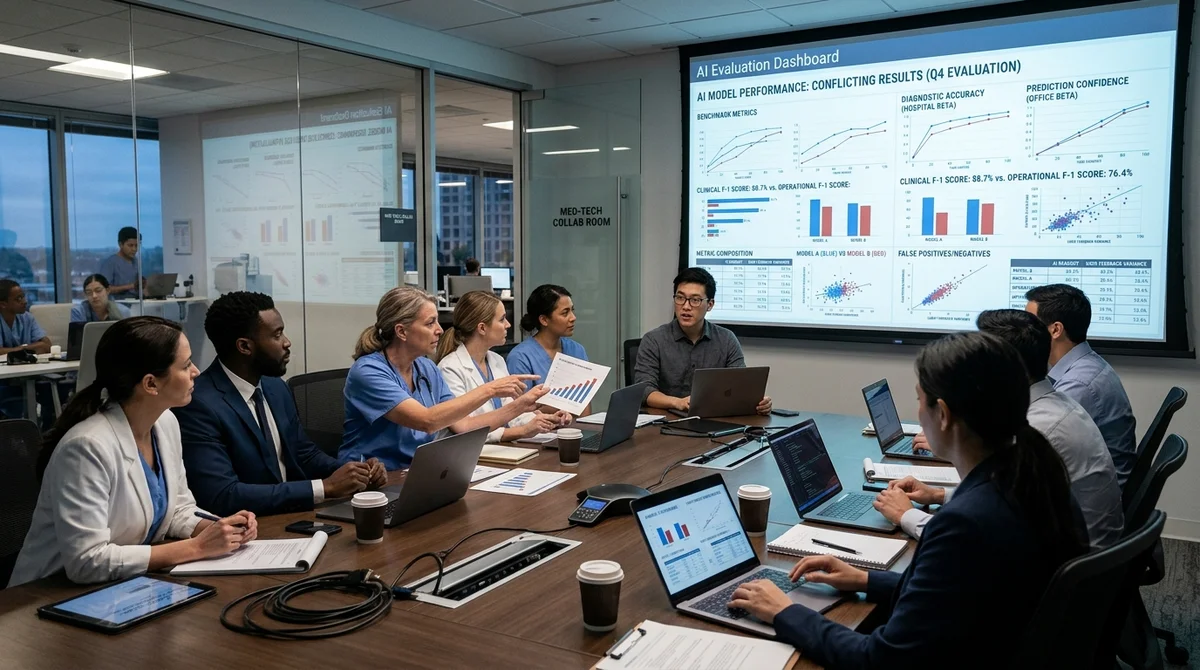
MIT Technology Review: Why Standard AI Tests No Longer Show Real-World Value
MIT Technology Review explores why high AI test scores often don't match real-world performance in hospitals, companies, and NGOs, and proposes evaluating systems in live processes.
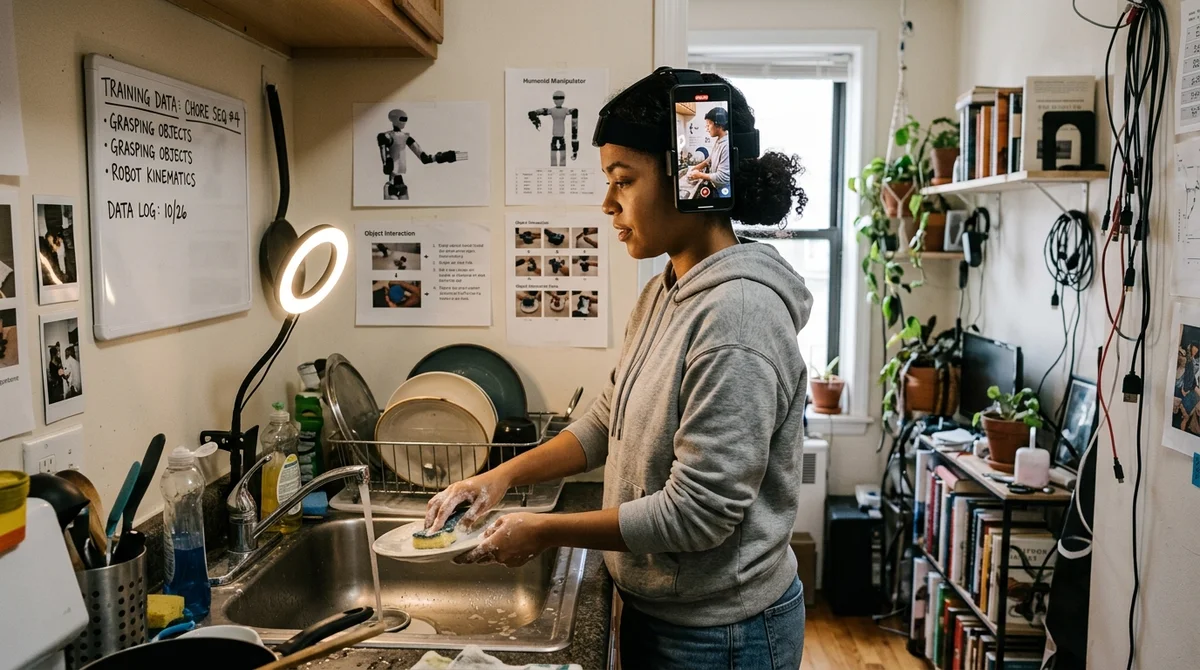
Micro1 Collects Home Videos Worldwide to Train Humanoid Robots
To train humanoid robots, startups like Micro1 hire workers in dozens of countries to film household chores on their smartphones — as data grows, so do privacy risks.
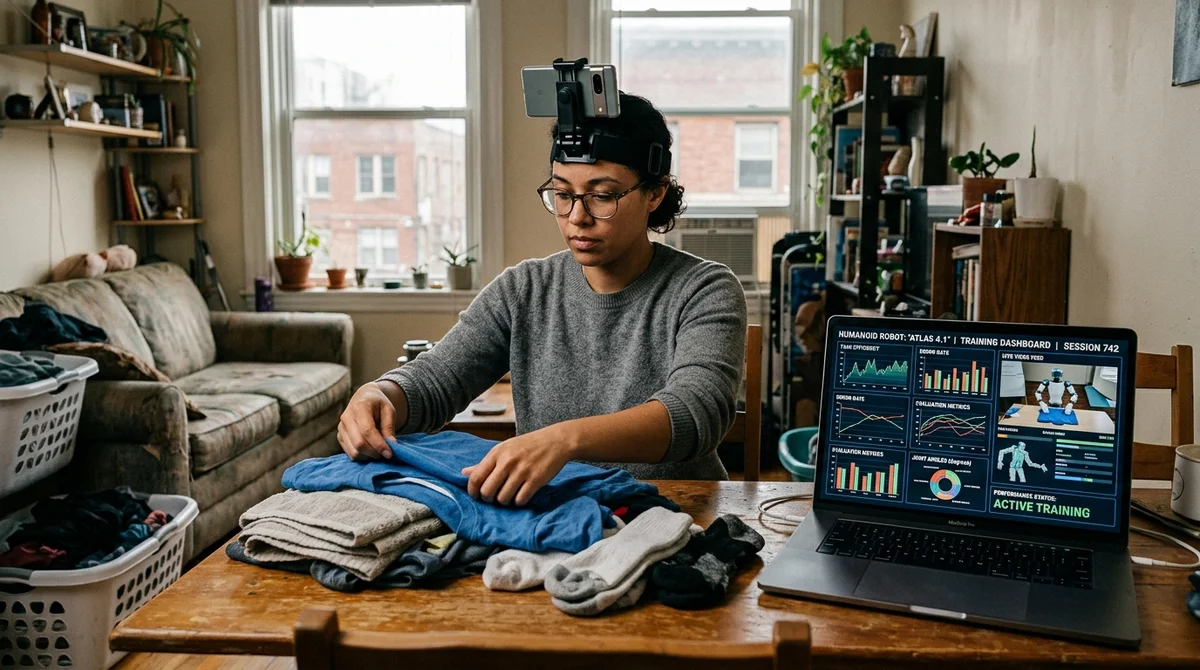
Micro1 hires people globally to train humanoids as AI market demands new benchmarks
Thousands of workers are already filming household chores to train humanoids, while researchers warn that current AI benchmarks poorly reflect how systems will perform in real-world tasks.
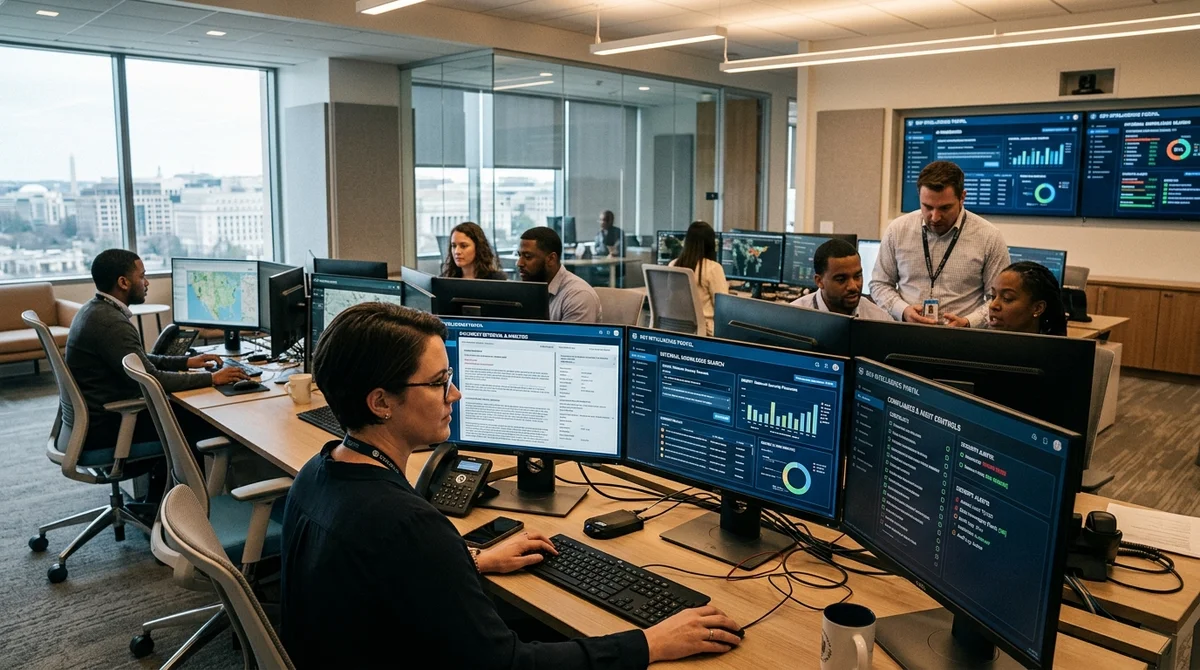
MIT Technology Review: Small language models become the foundation for AI implementation in the government sector
Government structures increasingly choose compact SLMs over large universal models: they can run locally, be better controlled, and integrated with verifiable data.

MIT Technology Review: Competitive advantage in enterprise AI comes not from the model, but from the operational layer
In enterprise AI, sustainable competitive advantage is created not by model choice, but by control over the operational layer, where data, processes, access rules, and learning from real work converge.
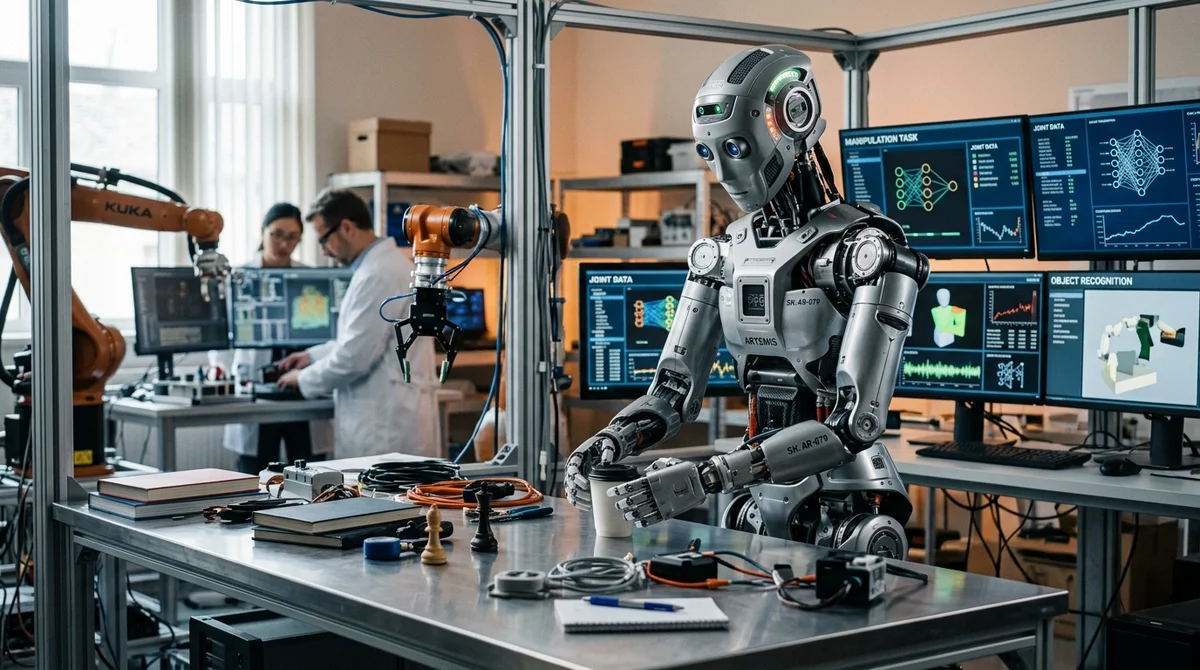
How OpenAI, Google, and Figure Are Changing Robot Training: A Brief History of the Approach
Robots are ceasing to be rigidly programmed machines: now they're trained on simulations, demonstrations, and large models—which is why billions are flowing back into humanoids.
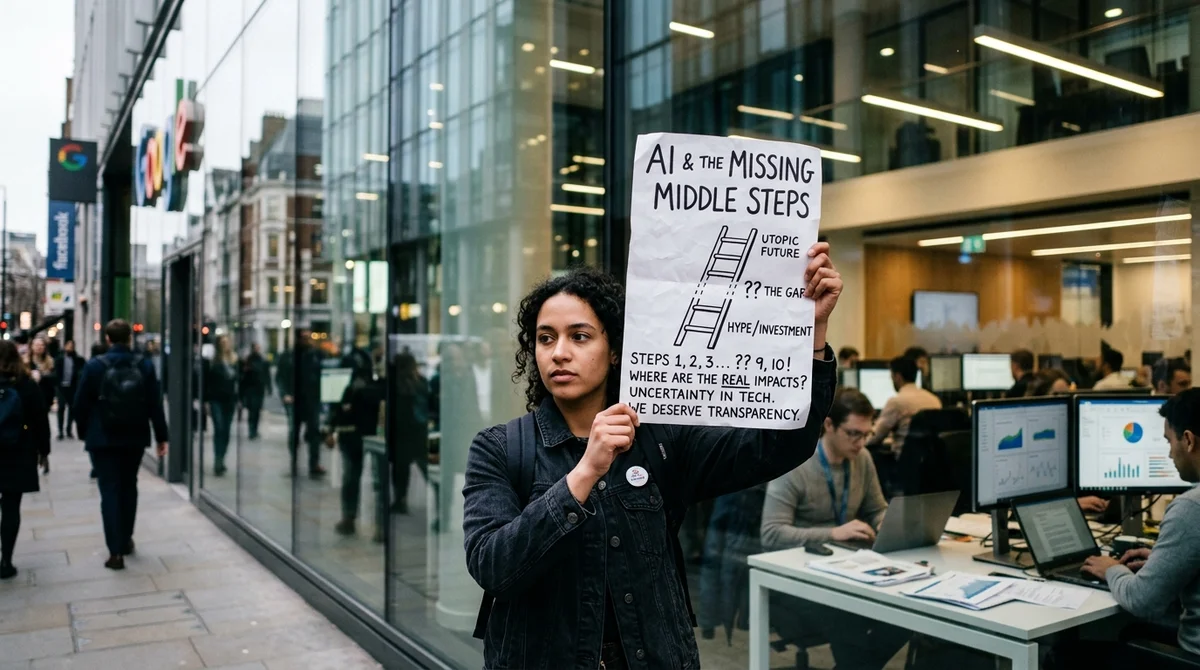
MIT Technology Review: OpenAI, Anthropic and the entire AI market are stuck between hype and profit
The AI industry already promises markets transformation and profit, but real data on agents, work tasks and employment still don't confirm the scale of these expectations.

Databricks and Infosys: Why Data, Not Models, Blocks AI Deployment
Companies rush to launch AI but hit a bottleneck—not in models, but in fragmented data, weak access controls, and legacy systems unprepared for AI agents.

Chinese IT Companies Force Employees to Create AI Copies of Themselves
Employers in China are demanding technical specialists train AI agents capable of replacing them — raising concerns even among AI enthusiasts convinced of automation's benefits.

Mirror bacteria could kill all life, and Chinese workers battle their AI doppelgangers
Two alarming trends in one story: synthetic mirror organisms that the immune system doesn't recognize, and Chinese workers losing income to AI clones of their voices and faces.

AI agents create a new attack surface: how companies are building defenses
Corporate AI agents open new threat vectors — non-human identities already outnumber human identities in large enterprises.

AI reshapes the thinking of top go players
Ten years after Lee Sedol's historic defeat to AlphaGo, professional go players have not just adapted to AI — they have started thinking differently. A report from the Korea Baduk Association.
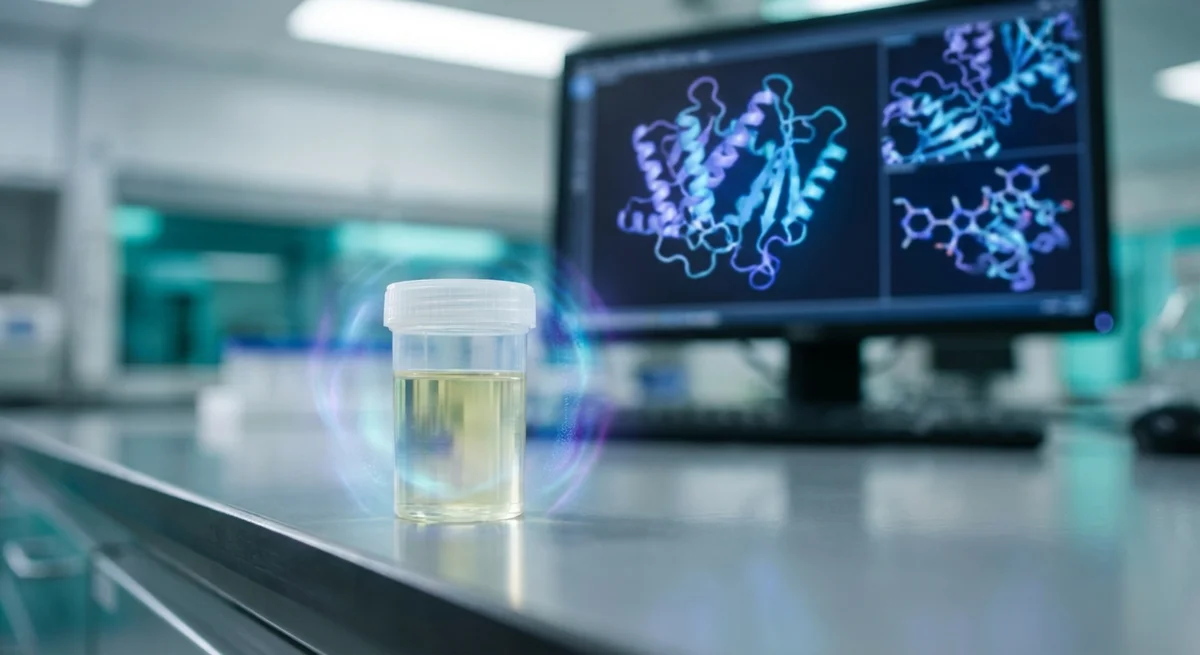
AI-designed proteins could detect cancer through urine analysis
MIT and Microsoft researchers used AI to create molecular sensors capable of detecting early signs of cancer through a simple urine test. This could change the entire paradigm of cancer diagnostics.
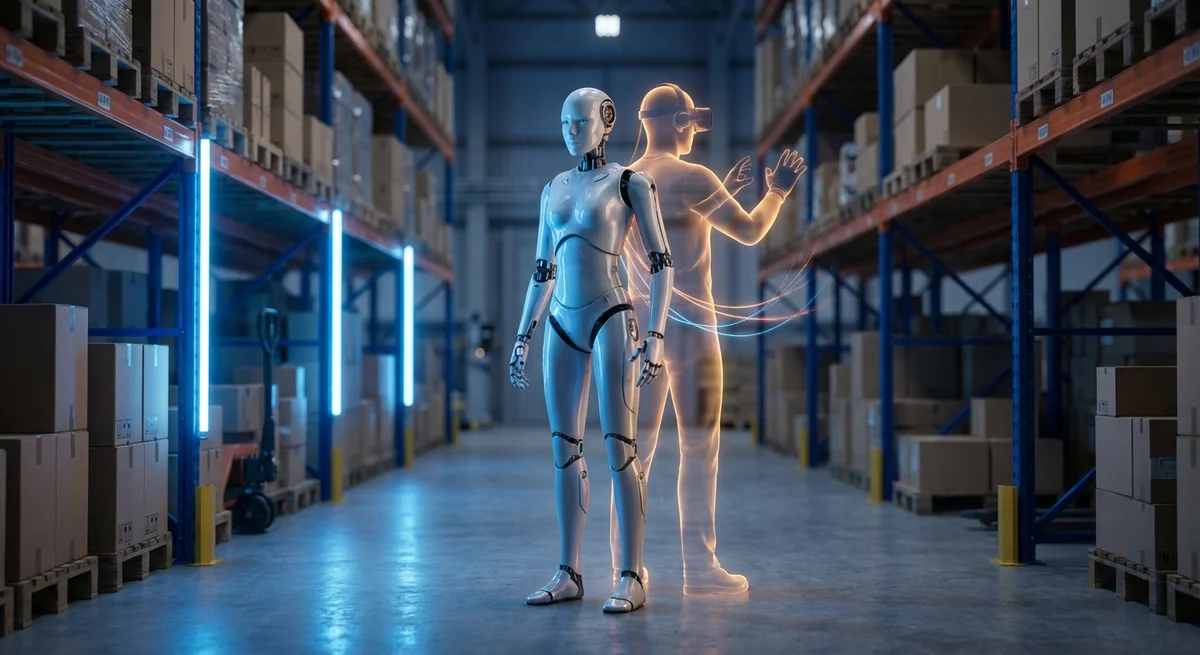
Human labor behind humanoid robots is carefully hidden
Jensen Huang announced the era of "physical AI", but behind the impressive demonstrations of humanoid robots are hundreds of human operators. The robotics industry is building its hype on the illusion of autonomy.
Microsoft fights AI deception: new content verification plan
Microsoft has introduced a system for identifying AI content to distinguish reality from deepfakes.

How agentic AI is changing retail from within
A major US retailer has deployed agentic AI across every stage of software development — from requirements validation to code generation. The experience suggests the future of retail will be shaped not at the checkout, b