MarkTechPost
AI news source. Articles are auto-selected and adapted by Hamidun News editors.
Latest publications
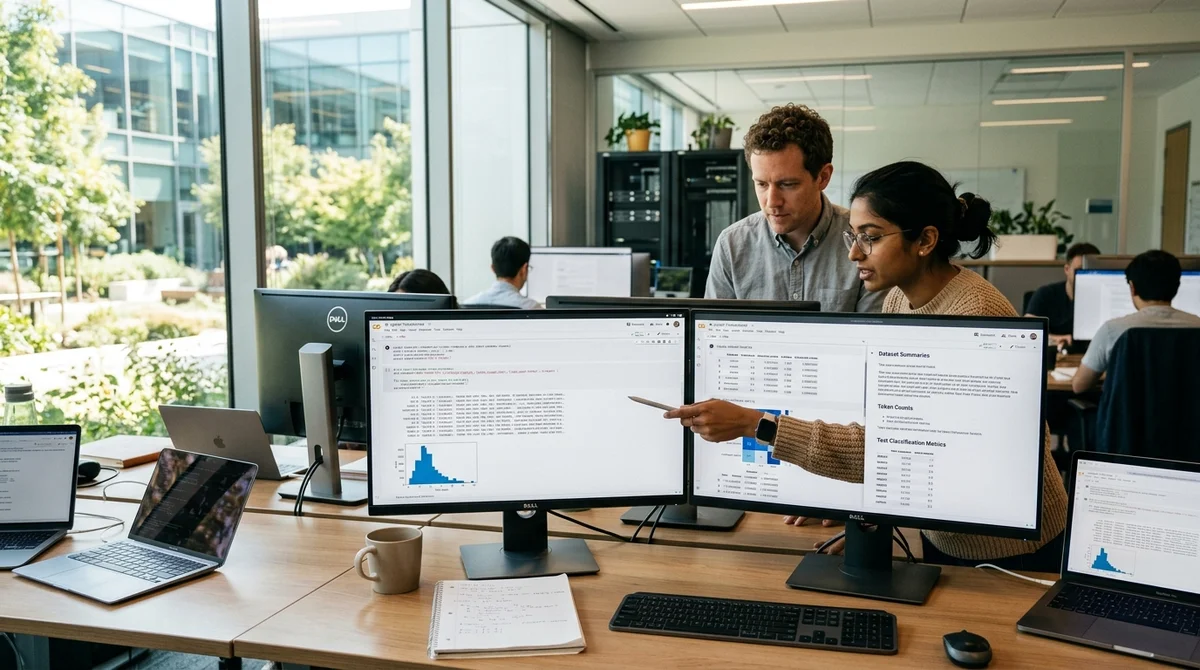
Microsoft OpenMementos: how to work with context compression and model training data
A step-by-step breakdown of the Microsoft OpenMementos dataset shows how to stream reasoning traces, parse blocks and mementos, measure context compression, and prepare data for fine-tuning.
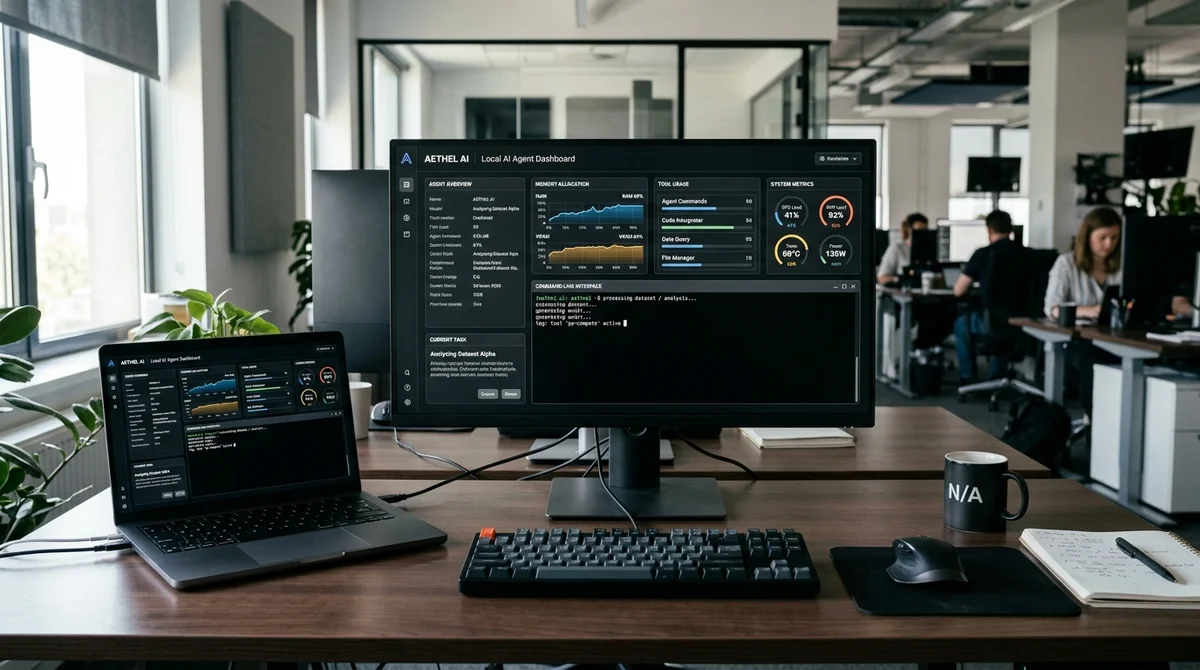
Stanford introduced OpenJarvis — a local AI agent stack with memory and learning
Stanford introduced OpenJarvis — a platform for personal AI agents that run directly on-device, use memory and tools, and learn from local data.
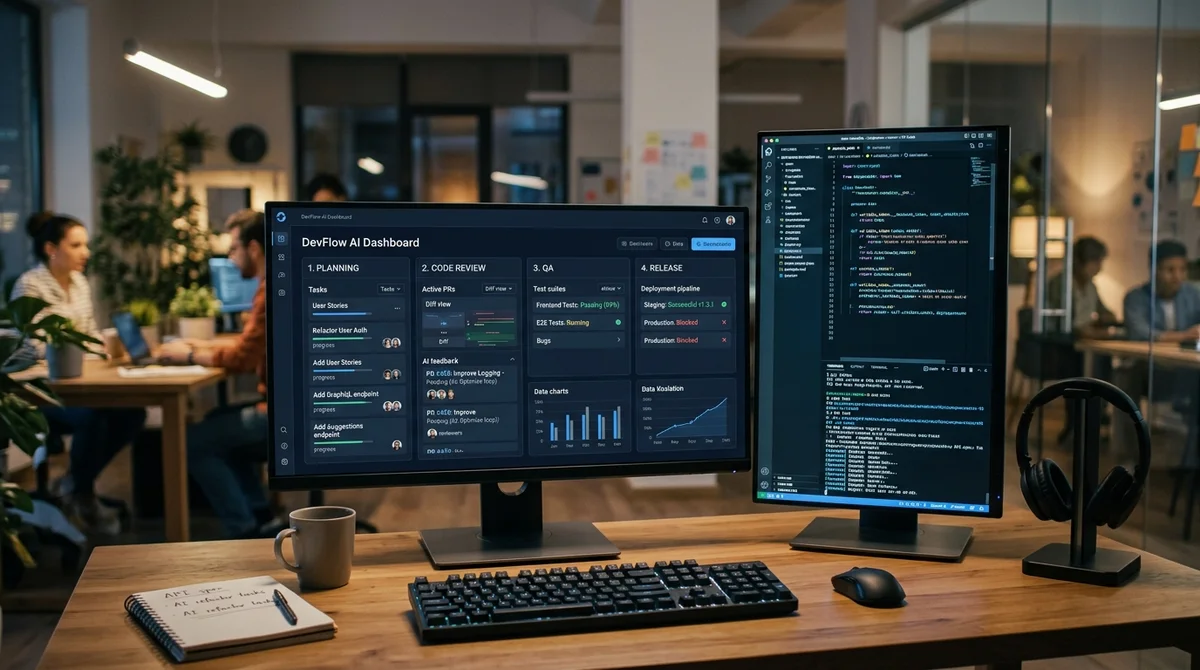
Harry Tan released gstack — a workflow system for Claude Code with QA, review, and release
Harry Tan open-sourced gstack — a set of modes for Claude Code that separates planning, review, QA, and release into distinct commands and adds a persistent browser.
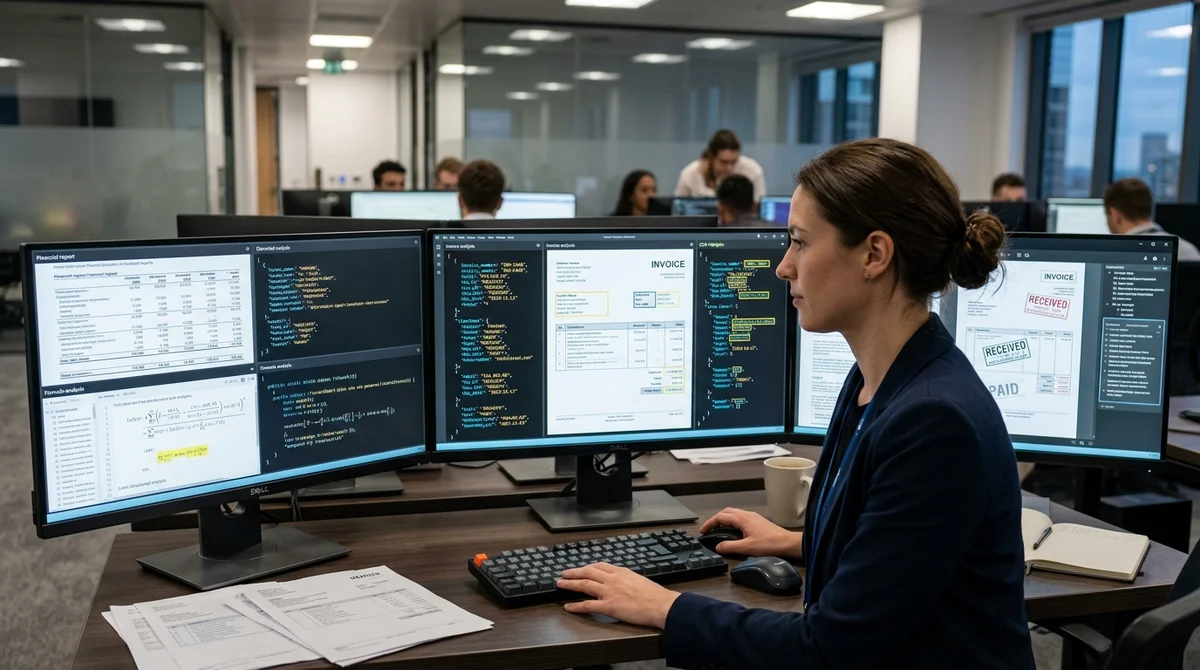
Zhipu AI releases GLM-OCR, a compact 0.9-billion-parameter OCR model for documents
Zhipu AI and Tsinghua University introduced GLM-OCR, a 0.9-billion-parameter multimodal OCR model that parses complex documents, tables, and formulas without relying on massive scale.

LangChain released Deep Agents for multi-step AI agents with memory and isolation
LangChain released Deep Agents, a library for AI agents that need planning, long-term memory, file context, and subagent isolation in long-running tasks.

IBM released Granite 4.0 1B Speech — a compact multilingual speech model for edge AI
IBM introduced Granite 4.0 1B Speech, a lightweight model for speech recognition and translation designed for rapid deployment in enterprise and edge scenarios with limited resources.

Moonshot AI presented Attention Residuals — an alternative to residual connections in transformers
Moonshot AI proposed Attention Residuals, a replacement for standard residual connections in transformers, where a layer itself selects useful signals through attention over the network depth.

Mistral released Small 4 — a 119-billion-parameter MoE model for reasoning, code, and multimodality
The new Mistral Small 4 combines instruct, reasoning, code, and image handling in a single open-source 119-billion-parameter MoE model with a 256k context window.
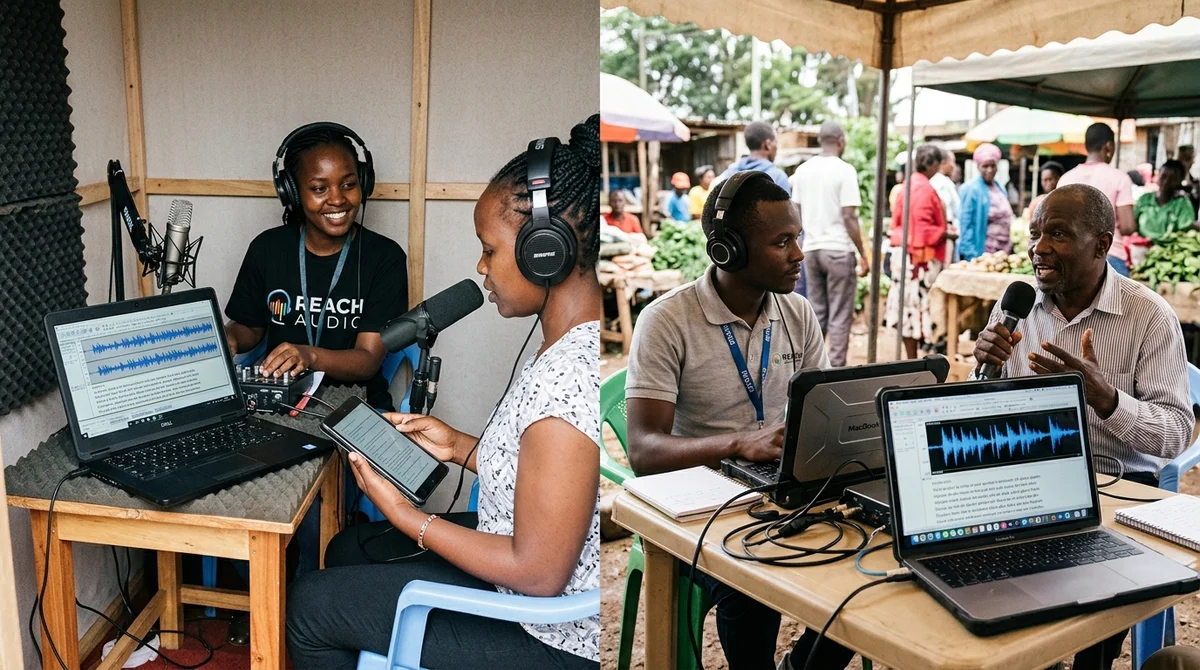
Google released WAXAL, an open speech dataset for African languages
Google made WAXAL public, a large speech corpus for African languages that should speed up speech recognition and synthesis where open data has long been critically scarce.

Nvidia open-sourced OpenShell, a secure environment for autonomous AI agents
Nvidia has released OpenShell as open source: an environment with sandboxes, access policies and private routing so autonomous AI agents can work with code and the network more safely.
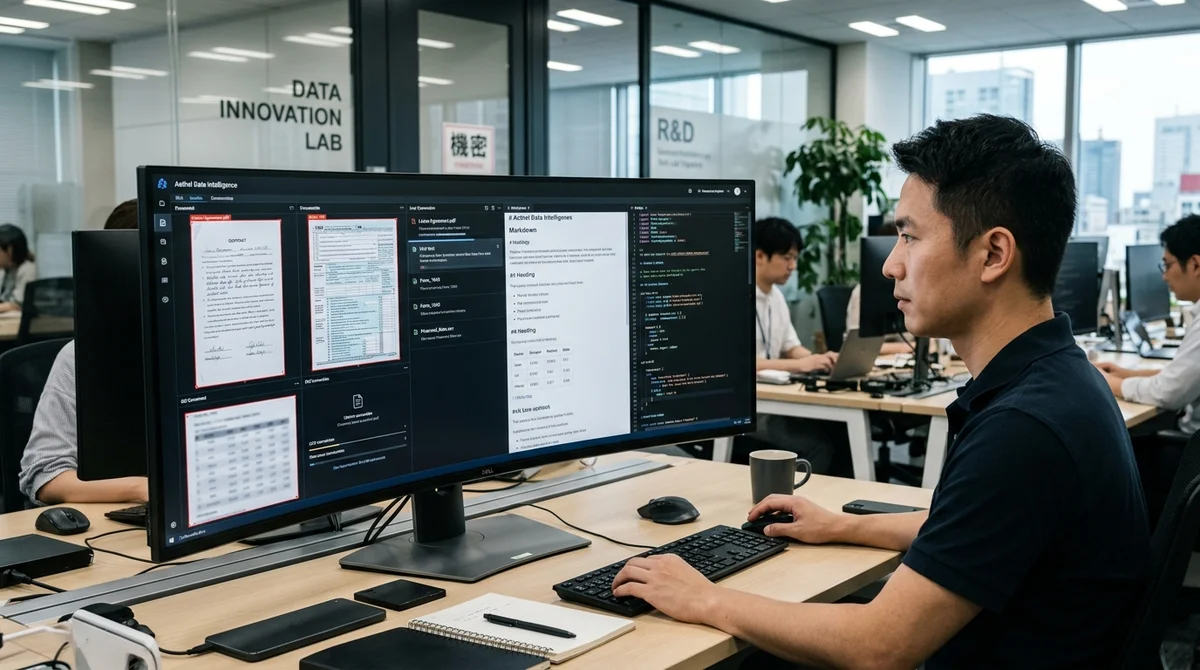
Baidu releases Qianfan-OCR — a 4B model for document recognition and understanding
Baidu unveiled Qianfan-OCR, a single 4B model that parses document structure, recognizes text, and extracts tables or answers questions on request.

MarkTechPost showed how to build an LLM system with self-evaluation, confidence, and web search
MarkTechPost presented a practical uncertainty-aware LLM setup: the model first answers and estimates its confidence, then checks itself and triggers web search when uncertain.
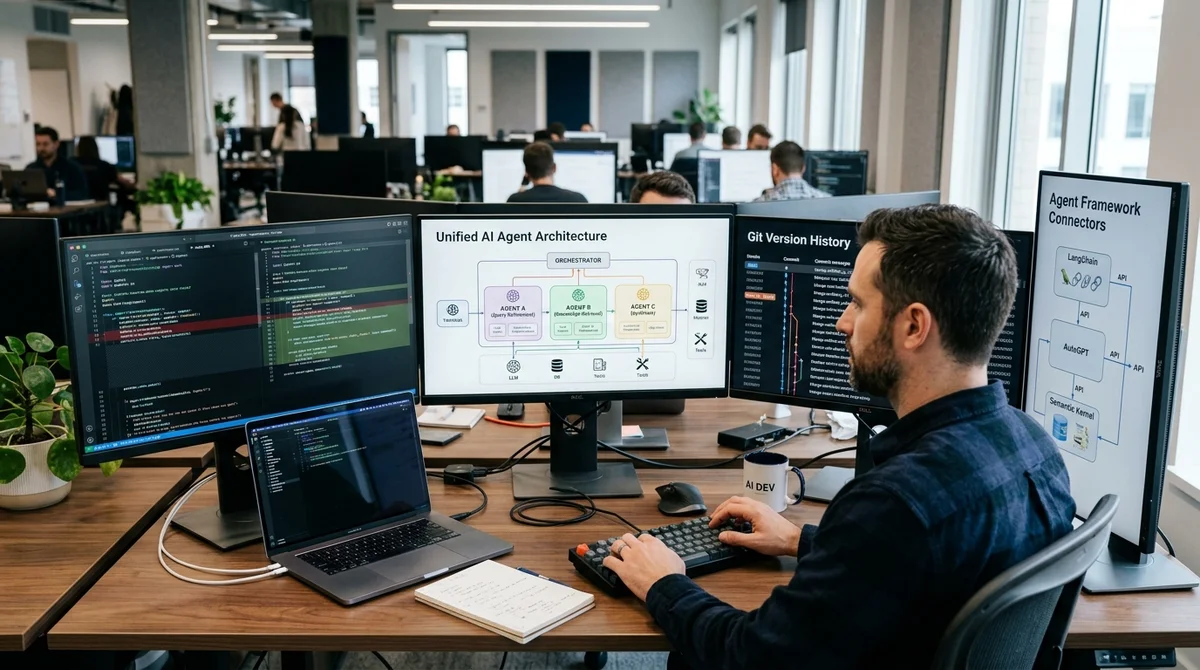
GitAgent offers a unified AI agent format for LangChain, AutoGen, and Claude Code
GitAgent proposes storing an AI agent's logic, memory, and rules in a Git repository, then exporting the same agent to LangChain, AutoGen, Claude Code, and other environments.

Google releases colab-mcp: how agents automate Colab notebooks in production
Google unveiled an open-source colab-mcp server for managing Colab notebooks via MCP: agents can add cells, execute code, and build resilient workflows without manual routine.

Yann LeCun Presents LeWorldModel — JEPA Model Without Representation Collapse from Pixels
Yann LeCun's team unveiled LeWorldModel — a world model that learns directly from pixels with two loss functions, avoids representation collapse, and plans up to 48 times faster than alternatives.

HKUDS Detailed OpenSpace — Self-Evolving Skill Engine for AI Agents
HKUDS demonstrated how OpenSpace transforms AI agents into self-learning systems: the engine preserves skills after each task, reuses them, and significantly reduces token consumption.
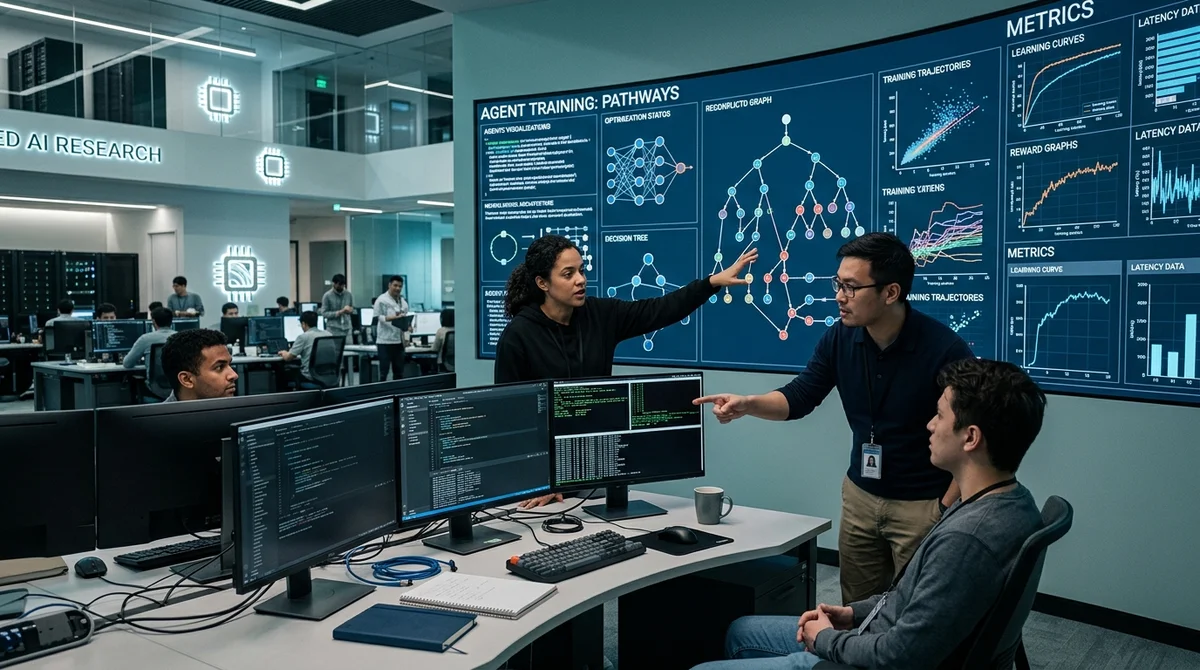
Nvidia introduced PivotRL — a framework for AI agents with 4x savings in rollout steps
Nvidia showed PivotRL — an approach to fine-tuning AI agents that preserves quality outside the training domain and achieves comparable accuracy to E2E RL with four times fewer rollout steps.
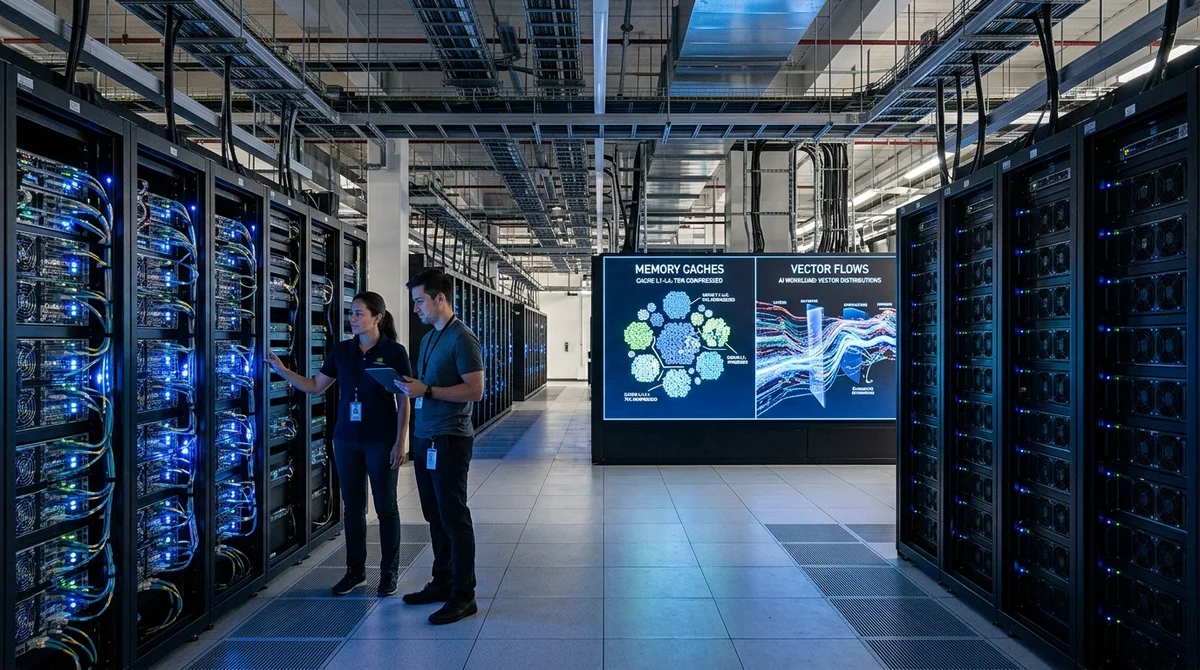
Google Introduces TurboQuant: 6x KV-cache Compression for LLMs Without Accuracy Loss
Google Research unveiled TurboQuant — an algorithm that compresses the KV-cache of large language models by at least six times and accelerates attention computation up to 8x without quality degradation.

MolmoWeb-4B by Ai2: A Web Agent That Sees Websites Like Humans, Without HTML Parsing
Ai2 released MolmoWeb-4B — an open-source multimodal web agent that controls a browser using only screenshots, without access to HTML or DOM trees.
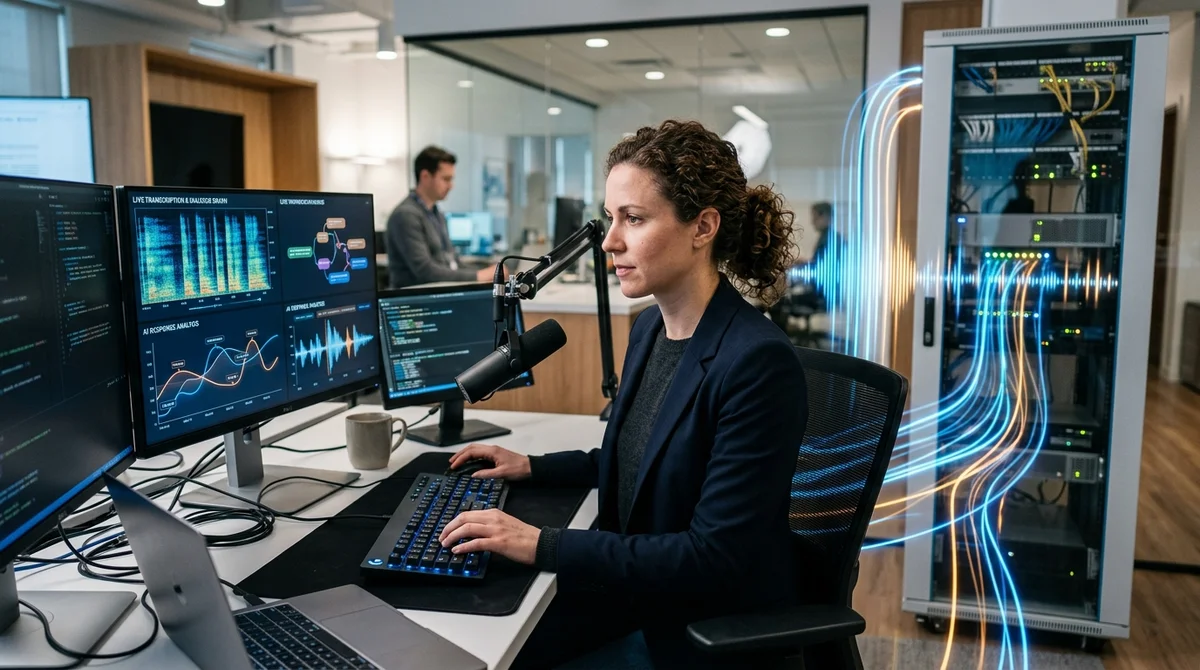
Tencent Releases Covo-Audio — 7B Model for Voice Dialogs and Audio Reasoning
Tencent AI Lab has open-sourced Covo-Audio — a 7B audio model that accepts continuous speech, responds with voice, and targets real-time dialogs and reasoning.

Qwen3.5: Running Reasoning-Models in GGUF and 4-Bit Format via Colab
A Colab pipeline is presented for running Qwen3.5 reasoning-models, distilled in Claude style: with one setting you can switch between the 27B GGUF and a lightweight 2B 4-bit version.
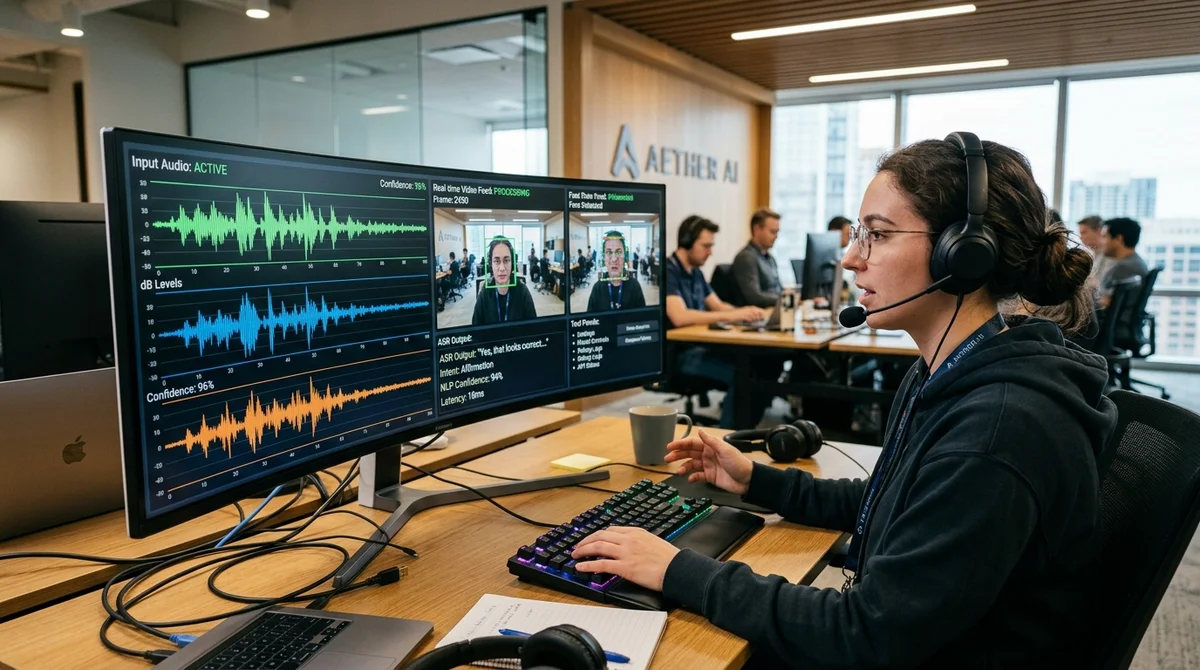
Google Releases Gemini 3.1 Flash Live for Voice AI Agents and Multimodal Dialogue
Google opened preview access to Gemini 3.1 Flash Live — a model for voice and visual AI agents with low latency, tool support, and more natural dialogue.

IWE and OpenAI: How to Turn Markdown Notes into a Knowledge Graph for AI Agents
Using IWE as an example, we showed how to build a local knowledge graph from markdown, connect OpenAI function calling, and construct an agentic RAG with relationship traversal between notes.
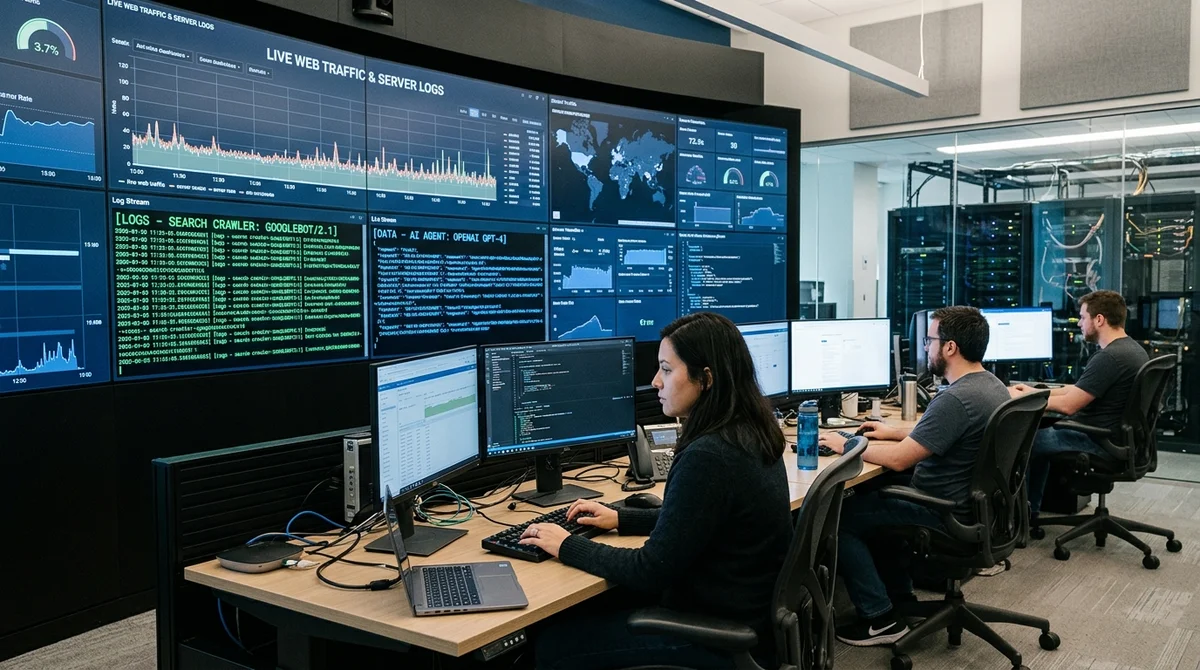
Google explained the difference between Google-Agent and Googlebot for AI access and indexing
Google described how the new Google-Agent differs from Googlebot: the first performs actions on sites at user request, the second automatically crawls the web for indexing.

Amazon-affiliated researchers presented A-Evolve for automatic evolution of AI agents
Researchers affiliated with Amazon presented A-Evolve — a system that automates AI agent development and replaces manual tuning with state evolution and self-correction.

Agent-Infra Introduces AIO Sandbox — Unified Environment for AI Agents with Browser and Shell
Agent-Infra released open-source AIO Sandbox — a containerized environment where browser, shell, shared file layer, and MCP are integrated in a single runtime for AI agents.
Cursor releases TypeScript SDK for coding agents with cloud sandboxes and token-based pricing
Cursor has opened the public beta of its TypeScript SDK: developers can now run coding agents locally, in the cloud, or on their own workers—with sandboxed VMs, subagents, hooks, and token-based billing.

Alibaba Releases Qwen3.5-Omni — Native Multimodal Model for Text, Audio, and Video
Alibaba has unveiled Qwen3.5-Omni — a native omnimodal model that understands text, images, audio, and video in a single architecture and can respond with voice in real time.

OpenAI Released Privacy Filter: Open Model for Removing Personal Data
OpenAI published Privacy Filter — an open-source model for automatic detection and replacement of personal data, working directly in the browser without server infrastructure.

OpenAI and Promptflow: How to Build an LLM Pipeline with Tracing and Quality Evaluation
The guide shows how to build an LLM pipeline in Google Colab using Promptflow, Prompty, and OpenAI with secure key configuration, run tracing, and built-in quality evaluation.